Song Meaning
The lyrics paint a stark picture of a spiritual or emotional crisis, where a "new faith" is presented not as salvation, but as a brutal reckoning. The opening lines immediately establish a conflict, contrasting "the scandal of pride" with a search for "true submissive." This isn't about finding peace; it's about confronting an "ugly life" and an internal "battle." The narrator seems to be offering a grim pact, a shared descent into hardship.
The core tension lies in the paradoxical offer of connection through suffering. The chorus, with its potent imagery of a "heart to stone" and a "crown of thorns," suggests a deliberate hardening against pain, a willingness to embrace martyrdom. The choice between suffering "together" or "alone" highlights a deep-seated isolation, even within this proposed shared experience. It’s a twisted form of intimacy, forged in mutual agony.
The second verse intensifies this, speaking of "the semblance die" and the "ghost of all your crimes," pushing the internal battle towards confronting past transgressions. The striking phrase "Hold me closer to the blade of life" is a powerful metaphor for embracing danger and pain as the very essence of existence. It suggests that true living, for the narrator, is found at the sharpest edge of experience.
Ultimately, the lyrics reject the idea of easy redemption. The final lines, "A new faith won't set you free / A tattered lie and a desperate plea," underscore the futility of seeking solace in false promises. The effectiveness comes from this unflinching portrayal of a dark, almost masochistic spirituality, where embracing hardship is the only perceived path forward, a raw and unsettling perspective on faith and self-discovery.
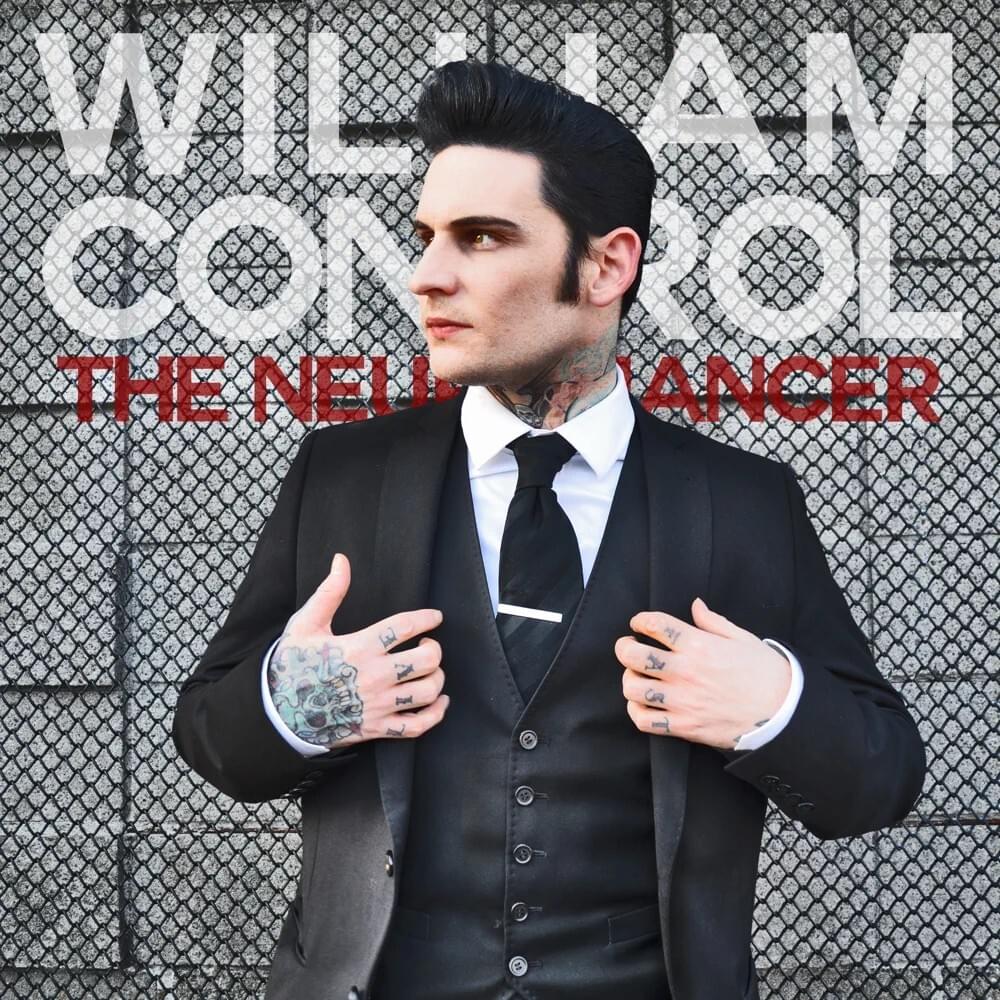
 View Artist