Song Meaning
The lyrics paint a stark picture of a life disintegrating, a descent into a desperate, almost hallucinatory state. The opening lines immediately establish a sense of profound loss and decay, comparing the narrator's life to a ruined love letter. This isn't just sadness; it's a visceral breakdown where 'ink went cold' and 'blood ran strange,' suggesting a loss of vitality and connection. The pursuit of a 'dream' only leads to a solitary, fatal end, amplified by the desperate plea, 'I'm out of morphine,' and the searching question, 'Jude where have you gone?'
The narrative then shifts to a frantic, disoriented flight through a city, 'Rue De Rivoli,' which becomes a symbolic 'downtown to hell.' This chaotic movement is driven by overwhelming 'panic' and 'terror,' a desperate attempt to avoid complete dissolution, to 'save me now before I come undone.' The intensity of this struggle is palpable, hinting at a deep-seated fear of losing one's very being, of losing 'flesh and blood.' The mention of 'a thousand lines' written for someone suggests a history of intense, perhaps obsessive, communication or creation aimed at this absent figure.
The middle section introduces a chilling shift in perspective and tone, moving from victimhood to a disturbing assertion of control. The repeated, declarative 'I possess you. I entice you. I surround you. I will destroy you' is a stark contrast to the earlier vulnerability. This aggressive stance feels like a desperate attempt to reclaim agency, or perhaps a manifestation of the internal torment itself, turning outward with destructive intent. It’s a powerful display of psychological fragmentation.
Finally, the lyrics grapple with a profound existential crisis, oscillating between a desire for an 'other side' and a confession of damnation. The narrator claims they 'can live on the other side,' suggesting a yearning for escape or a different reality, possibly one of sacrifice and service. Yet, this is immediately undercut by the chilling question, 'what if I killed for you,' and the self-identification as 'the damned.' The concluding lines, 'Somebody loves you. Somebody died for you. I sing for the damned,' leave the listener with a haunting ambiguity, questioning the nature of love, sacrifice, and the narrator's own place within this cycle of suffering and devotion.
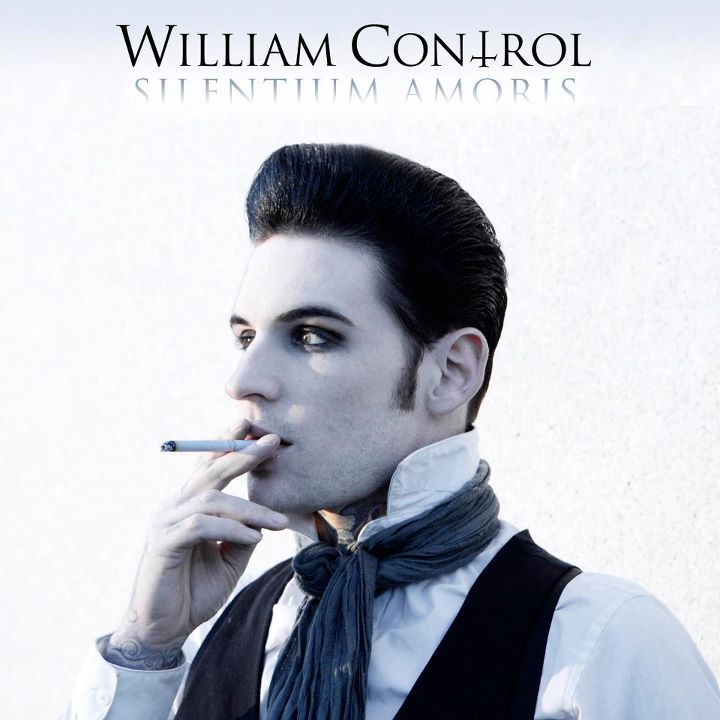
 View Artist