Song Meaning
The lyrics paint a stark, almost grotesque portrait of a dying man, a figure of profound contradiction. He's a "deathbed convert" and a "pious debauchee," someone who lived a life of excess but seeks salvation in his final moments. The opening lines immediately establish a tone of defiant self-destruction, a refusal to engage gracefully with life's end, as if confessing an inability to even "dance half a measure."
The central tension lies in the narrator's desperate, almost violent, bid for spiritual acceptance. He doesn't just want to believe; he wants to *embody* faith, even in a way that mocks or appropriates Christ's suffering. The image of mounting the cross and stealing nails for his own palms is a shocking, blasphemous assertion of self, a desire to be martyred on his own terms, rather than simply accepting a passive death.
The craft here is in the jarring juxtapositions and the visceral imagery. The contrast between the "pious debauchee" and the act of dribbling "fresh upon a bible" highlights a life of hypocrisy and a deathbed conversion that feels more like a final, pathetic act of rebellion than genuine repentance. The narrator's perception shifts from the "agony" of Jesus to seeing "angels dancing" on a "pinhead," suggesting a mind unraveling, perhaps finding distorted solace or delusion in his final moments.
Ultimately, the lyrics resonate through their raw, unflinching portrayal of a flawed soul's final, desperate plea for validation. The repeated, almost frantic, question "Do you like me now?" cuts through the preceding imagery of defiance and delusion. It reveals a deep-seated need for approval, a final, vulnerable cry from someone who may have spent a lifetime pushing people away, only to crave their acceptance at the very end.
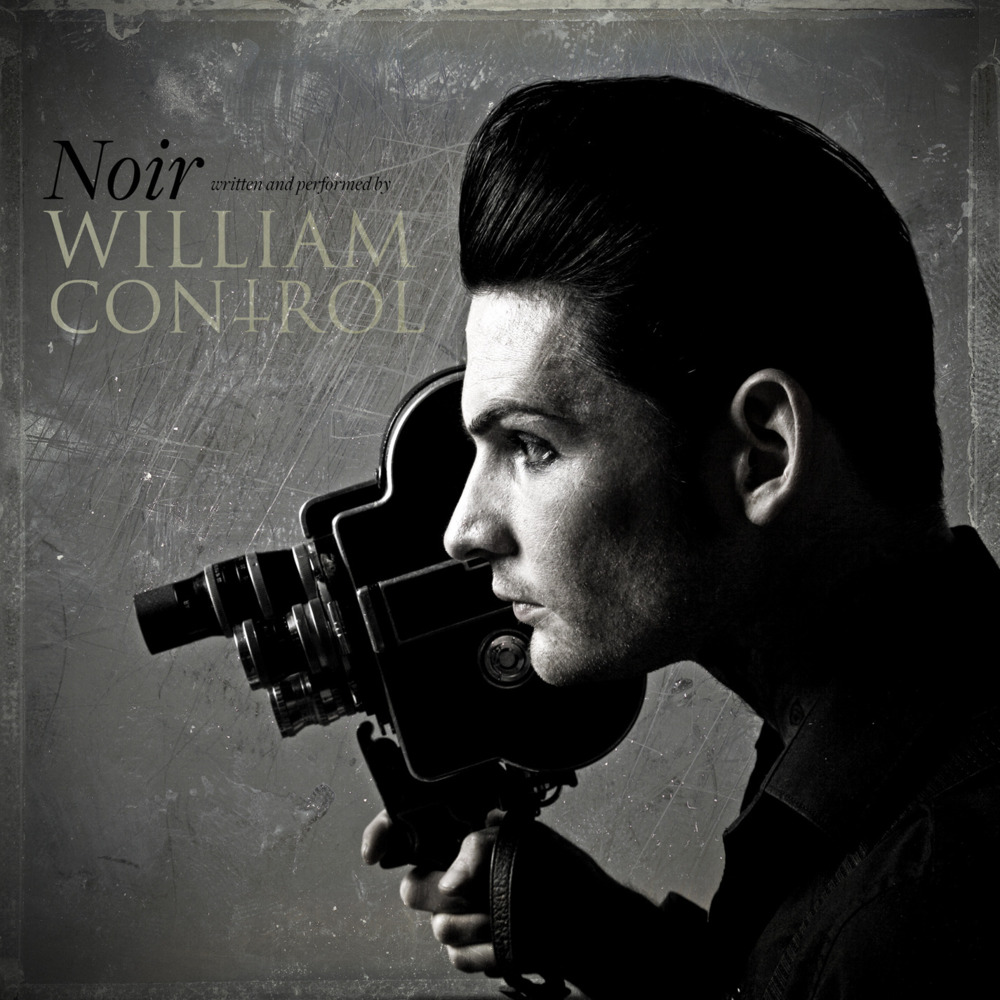
 View Artist