Song Meaning
The lyrics paint a stark picture of a tense, perhaps confrontational, situation demanding attention. The opening lines immediately establish a mood of quiet urgency, urging the listener not to "walk away, in silence." This isn't a gentle plea but a command, underscored by the repetition of "silence" and the introduction of "danger." The narrator seems to be observing a precarious state, a life in flux, where "endless talking" contrasts with the need for quiet observation and a refusal to disengage.
The core tension appears to be between external perception and internal reality, particularly concerning the self. The lines "Your confusion / My illusion / Worn like a mask of self-hate" suggest a disconnect between how one appears and how one truly feels, with self-loathing as a hidden, perhaps defensive, facade. This internal struggle is presented as something that "confronts and then dies," implying a moment of reckoning or a fleeting realization that doesn't necessarily lead to resolution, only a temporary cessation.
The imagery shifts to a more external, almost predatory, landscape. The idea of people being "Naked to see" and "Walking on air" juxtaposes vulnerability with a disembodied state, perhaps hinting at a lack of grounding or an exposed fragility. The "hunting by the rivers" and traversing "streets" where "Every corner abandoned too soon" creates a sense of pervasive neglect and a search through desolate spaces. This feeling of abandonment, coupled with the repeated "Don't walk away," amplifies the plea to confront these desolate realities rather than flee them.
Ultimately, the effectiveness of these lyrics lies in their stark, almost fragmented, presentation of emotional and environmental decay. The insistent repetition of "Don't walk away" acts as an anchor against the surrounding desolation and internal turmoil. It’s a call to witness, to remain present even when faced with danger, confusion, and the unsettling feeling of being exposed in an abandoned world.
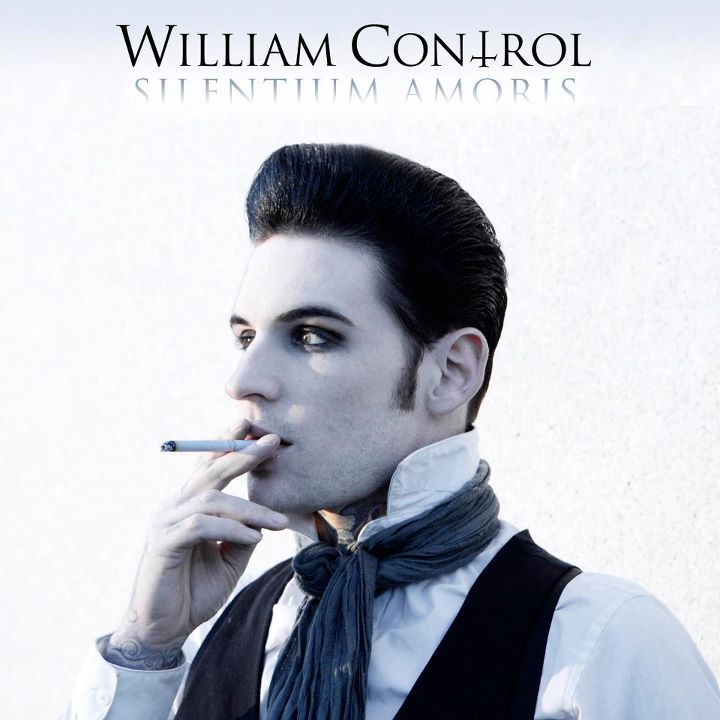
 View Artist