Song Meaning
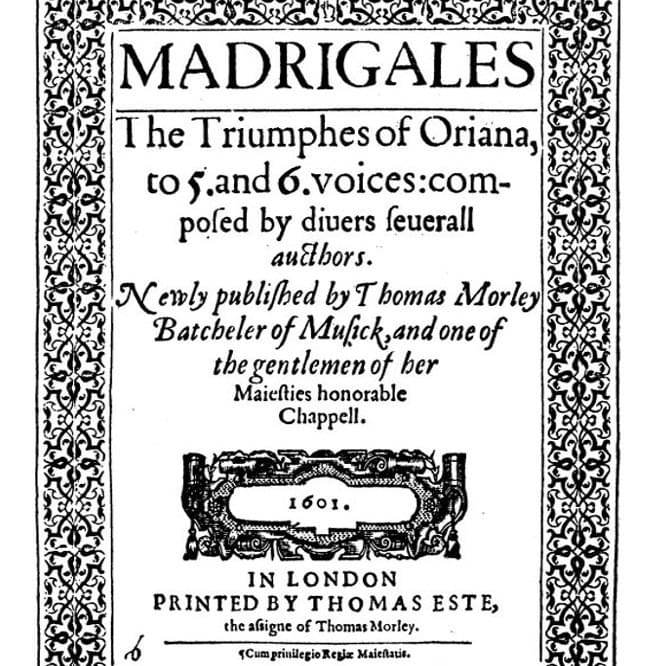
This poem paints a vibrant, almost mythological scene of revelry. Fauns, satyrs, and nymphs, figures of nature and wild joy, are depicted in a lively dance, "tripping" and "skipping." The imagery is one of fresh, cool natural spaces – brooks, fountains, woods, and mountains – suggesting a primal, uninhibited celebration that feels both ancient and immediate. The dominant tone is one of ecstatic, abundant joy, a pure expression of nature's vitality.
The central action revolves around a presentation to a "fair Queen," who is clearly the focus of this grand tribute. Demigods and nature spirits alike offer lavish gifts, "twenty Brimful of wealthy plenty," and are not content with mere material offerings. Their ultimate desire, expressed in a prayer to "Gods supernal," is for the Queen's "life, Her wealth, Her fame" to be "eternal." This elevates the celebration from a simple party to a ritualistic act of devotion and a plea for enduring glory.
The most striking craft element is the juxtaposition of the wild, untamed revelry of the fauns and satyrs with the formal, almost courtly tribute to the Queen. The "lively Nymphs" and "Roes, came nimbly skipping" contrast with the structured prayer and the desire for "eternal" status. This blend of the natural and the divine, the wild and the reverent, creates a unique atmosphere. The final acclamation, "Long live fair Oriana!" sung by shepherds and nymphs of Diana, seals this fusion, making the natural world itself a chorus for the Queen's immortal praise.
What makes these lyrics so effective is their ability to conjure a world where nature itself participates in honoring human (or perhaps divine) royalty. The sheer abundance of the gifts and the intensity of the desire for eternal life create a powerful sense of awe and celebration. The poem doesn't just describe a party; it presents a vision of cosmic harmony, where the most elemental forces of nature are united in their adoration of a singular, idealized figure.
 View Artist