Song Meaning
The lyrics paint a stark, immediate picture of devotion and anticipation. It’s the quiet before the dawn, the hushed reverence of those who have lost someone profound. The scene is set with the simple, yet weighty, act of purchasing spices, a task undertaken with a specific purpose: to anoint Jesus. This action grounds the spiritual in the tangible, highlighting a deep commitment born from grief and love.
The dominant tension lies between the somber reality of death and the burgeoning hope implied by their actions. They are coming to the tomb, a place of finality, yet they bring fragrant oils, suggesting a ritual of care and remembrance that transcends mere mourning. The repetition of "Maria" emphasizes the collective, yet personal, nature of their grief and their shared mission.
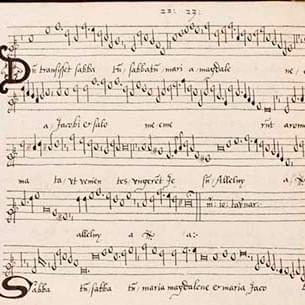
The craft here is in its directness and its sacred context. The Latin phrasing, "Dum transisset Sabbatum," immediately places the listener in a specific, solemn moment following a period of rest and observance. The inclusion of "Alleluia" and "Gloria Patri et Filio et Spiritui Sancto" acts as a powerful counterpoint, injecting a note of divine praise and affirmation into the scene of earthly sorrow. The shift from the practical act of buying spices to the spiritual declaration of glory is striking.
This piece resonates because it captures a universal human experience—showing love and respect through action even in the face of profound loss. The lyrics suggest that even in the darkest hours, the impulse to care, to remember, and to praise can emerge, transforming a somber task into an act of faith. The contrast between the quiet purchase of spices and the grand pronouncements of glory underscores the enduring power of belief.
 View Artist