Song Meaning
The lyrics paint a picture of a weary heart seeking solace beyond the confines of conventional morality. The opening lines immediately establish a sense of exhaustion, with an "out-worn heart" in an "out-worn" time, urging a departure from the strictures of "wrong and right." This sets a tone of seeking refuge, a desire to "laugh" and "sigh" freely in the liminal spaces of "gray twilight" and "dew of the morn."
The narrator seems to be addressing a "heart," perhaps their own or a loved one's, drawing a parallel to a motherland, "Eire," described as eternally youthful and vibrant. This connection suggests a source of enduring strength or identity, even as personal "hope fall[s]" and "love decay[s]." The contrast between this idealized, unchanging homeland and the destructive "fires of a slanderous tongue" highlights an external pressure or pain that the heart must endure.
The core of the lyrics lies in the invitation to a place of natural communion and divine presence. The "mystical brotherhood" of natural elements – sun, moon, hill, wood, river – suggests a realm where forces work in harmony, unburdened by human judgment. Here, "God stands winding His lonely horn," a powerful image of solitary creation or calling, set against a backdrop where "time and the world are ever in flight." This cosmic dynamism offers a different perspective on existence, one where fleeting moments are part of a grander, perhaps indifferent, design.
Ultimately, the lyrics propose that the transient beauty of the "gray twilight" and the "dew of the morn" offer a more genuine, less harsh form of comfort than human relationships. The final lines, stating "love is less kind than the gray twilight, / And hope is less dear than the dew of the morn," suggest a profound disillusionment with human connection and a turning towards the quiet, ephemeral beauty of nature as the ultimate balm for an "out-worn heart."
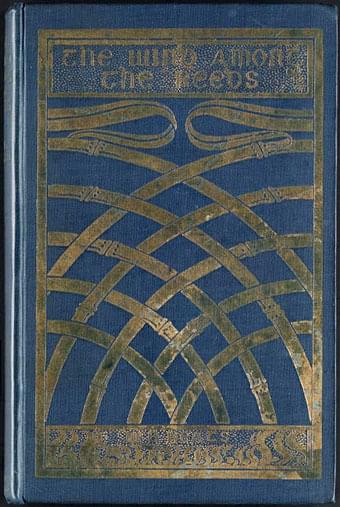
 View Artist