Song Meaning
The speaker encounters a joyful child in a wild, pastoral setting, invited to play music. This initial scene is one of pure, unadulterated glee, established by the repeated "Piping" and the "pleasant glee" of the songs. The child's laughter and the speaker's immediate response set a tone of innocent delight, painting a picture of harmonious, carefree existence.
The core tension emerges when the speaker is asked to "Pipe a song about a Lamb," a seemingly simple request that leads to an unexpected emotional reaction. While the speaker plays with "merry chear," the child begins to weep, not from sorrow, but "with joy to hear." This paradox – weeping with joy – introduces a profound emotional complexity beneath the surface of simple happiness.
The most striking craft element is this juxtaposition of "wept to hear" and "with joy." The lyrics then pivot from auditory expression (piping) to visual and written creation. The child instructs the speaker to "sit thee down and write / In a book that all may read," transforming the ephemeral music into a lasting, accessible form. The speaker complies, crafting a "rural pen" and writing "happy songs" for "every child" to enjoy, suggesting a desire to share this profound, joy-tinged experience.
This piece effectively captures a moment of transcendent, almost overwhelming happiness that is too deep for simple laughter. The transformation from a spontaneous musical encounter to a deliberate act of writing for communal enjoyment highlights how profound emotional experiences, even those that bring tears, can inspire a desire for preservation and sharing. The lyrics suggest that true joy can be so potent it elicits tears, and that such moments are meant to be recorded and disseminated.
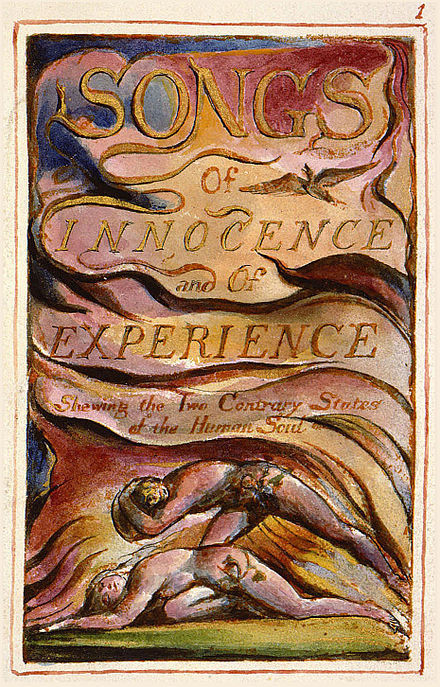
 View Artist