Song Meaning
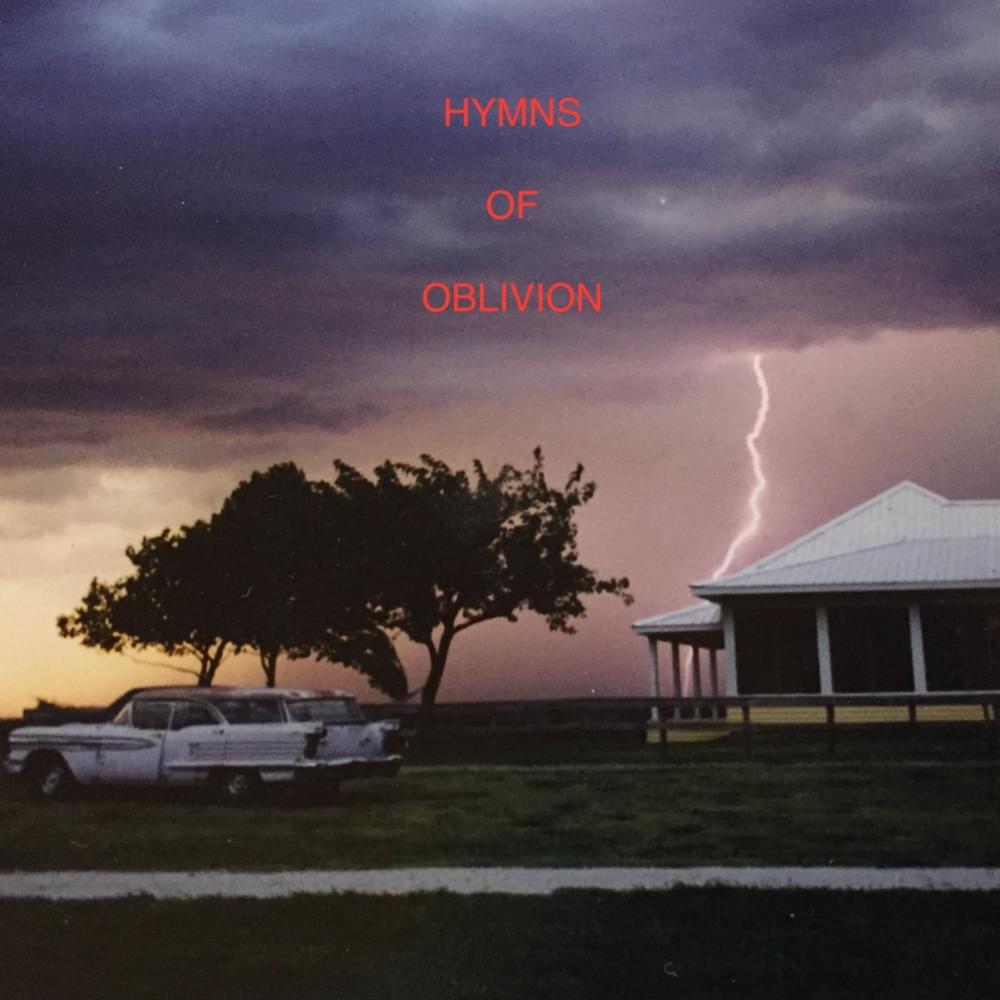
The lyrics paint a picture of profound internal struggle, where the narrator grapples with a fractured sense of self and memory. The opening lines, "I had to ask myself / Like wounded light," immediately establish a tone of pain and confusion, suggesting a self-examination that is both necessary and agonizing. This introspection is further defined by "mutilated memory," hinting at a past that is damaged or unreliable, making the act of self-inquiry even more difficult. The recurring phrase "hymns of oblivion" evokes a sense of finality and erasure, as if the narrator is contemplating a state of non-existence or complete loss.
The central tension appears to be between a desperate clinging to hope and the overwhelming pull of despair or inaction. The narrator repeatedly states, "Still the hope of someone else / Not losing," which contrasts sharply with the "eternal torment" and "carefully considered inertia." This suggests a conflict between an external or inherited hope and an internal paralysis, a desire to avoid further loss versus a resignation to a painful stasis. The "waiting waters" are presented with a dual nature, capable of both "careless decisions" and a gentle "caress," mirroring this internal push and pull.
The most striking aspect of the lyricism is the use of evocative, almost synesthetic imagery to convey emotional states. "Like wounded light" and "like the intimacy of a fog" are not direct comparisons but rather sensory experiences that capture the intangible nature of the narrator's feelings. The repetition of "The waiting waters will caress you" at the end, shifting from a personal struggle to a direct address, creates an unsettling sense of inevitability, as if the external force of the "waiting waters" will eventually envelop the subject, whether through comfort or oblivion.
Ultimately, these lyrics resonate because they articulate a deeply personal and abstract form of anguish through concrete, albeit surreal, imagery. The fragmented thoughts and recurring motifs create a disorienting yet compelling portrait of a mind wrestling with its own decay and the faint possibility of external salvation. The shift from internal questioning to the external pronouncement about the "waiting waters" leaves the listener with a lingering sense of unresolved dread and a profound empathy for the narrator's plight.
 View Artist