Song Meaning
The lyrics paint a stark picture of loneliness, immediately establishing a profound sense of isolation. The narrator feels disconnected from their friends, unable to find solace or belonging in their company. This detachment is so intense that the only place they truly want to be is close to the absent "jou" (you). The opening lines set a tone of deep melancholy, where social interaction offers no comfort.
The central tension arises from the narrator's overwhelming need for a specific person, to the point where even enjoyable activities lose their appeal. The mention of a "dansorkest" (dance orchestra) and dancing highlights a social setting that should be lively, yet it only amplifies the narrator's emptiness. The act of dancing, typically a shared experience, becomes a reminder of what's missing – holding "jou" in their arms. This contrast between outward festivity and inner desolation underscores the depth of their longing.
The lyrics then shift to a more introspective and anxious questioning, revealing a vulnerability beneath the initial declaration of loneliness. The narrator expresses certainty of their own unwavering devotion, stating, "Jij weet dat ik op jou zal wachten" (You know I will wait for you). However, this certainty is immediately undercut by doubt about the other person's feelings and fidelity: "Maar leef ik ook nog in jouw gedachten?" (But do I still live in your thoughts?) and "En ben je mij nog altijd trouw?" (And are you still faithful to me?). This internal conflict between steadfastness and insecurity is a powerful driver of the song's emotional weight.
Ultimately, the effectiveness of these lyrics lies in their directness and the raw emotional honesty they convey. The repetition of "Ik ben zo eenzaam zonder jou" (I am so lonely without you) acts as a constant refrain, hammering home the central theme. The narrator's willingness to express such profound dependence and fear of abandonment, even questioning the other person's loyalty, creates a palpable sense of desperation. The final lines, "M'n leven zou ik voor jou geven" (I would give my life for you), coupled with the repeated declaration of loneliness, solidify the impression of a love so consuming it borders on obsession, leaving the listener with a potent feeling of the narrator's singular, all-encompassing need.
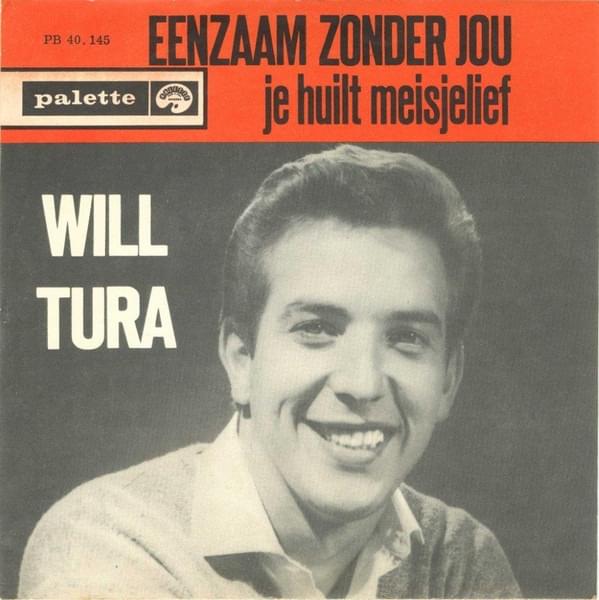
 View Artist