Song Meaning
The lyrics paint a picture of unashamed desire and a patient approach to life's transitions. The opening lines directly confront potential judgment, asserting that the narrator's wants and physical expressions are valid. This sets a tone of self-acceptance, even as the narrative hints at inevitable departures. The phrasing "when it comes, time for leaving" suggests a natural, unforced progression rather than a sudden event, preparing the listener for a shift.
The core tension lies in the simultaneous embrace of vulnerability and the search for stability. The narrator articulates a deep "need of trust and thunder," a powerful juxtaposition that suggests a desire for both reliable connection and overwhelming, perhaps even chaotic, emotional force. This duality is further emphasized by the need for "eyes toward the light" and "a voice you can trust in the night," indicating a yearning for guidance and reassurance amidst uncertainty.
The craft here hinges on a deliberate pacing and evocative imagery. The repetition of "little haste" in the third stanza creates a sense of calm deliberation, contrasting with the implied intensity of "thunder." The shift from "leaving" to "a-parting" in the final stanza, coupled with the image of something falling "in the light," suggests a release or surrender. Yet, the persistent presence of "shadows and moonlight" and the enduring need for "a voice you can trust" highlight the ongoing navigation of darkness and the reliance on dependable anchors.
Ultimately, the effectiveness of these lyrics stems from their honest portrayal of complex emotional states. The narrator doesn't shy away from the messy realities of wanting, leaving, and seeking guidance. By grounding these feelings in concrete, albeit abstract, needs like "trust and thunder" and a "voice you can trust," the writing creates a resonant space for listeners to find their own experiences reflected in the quiet strength and persistent hope offered here.
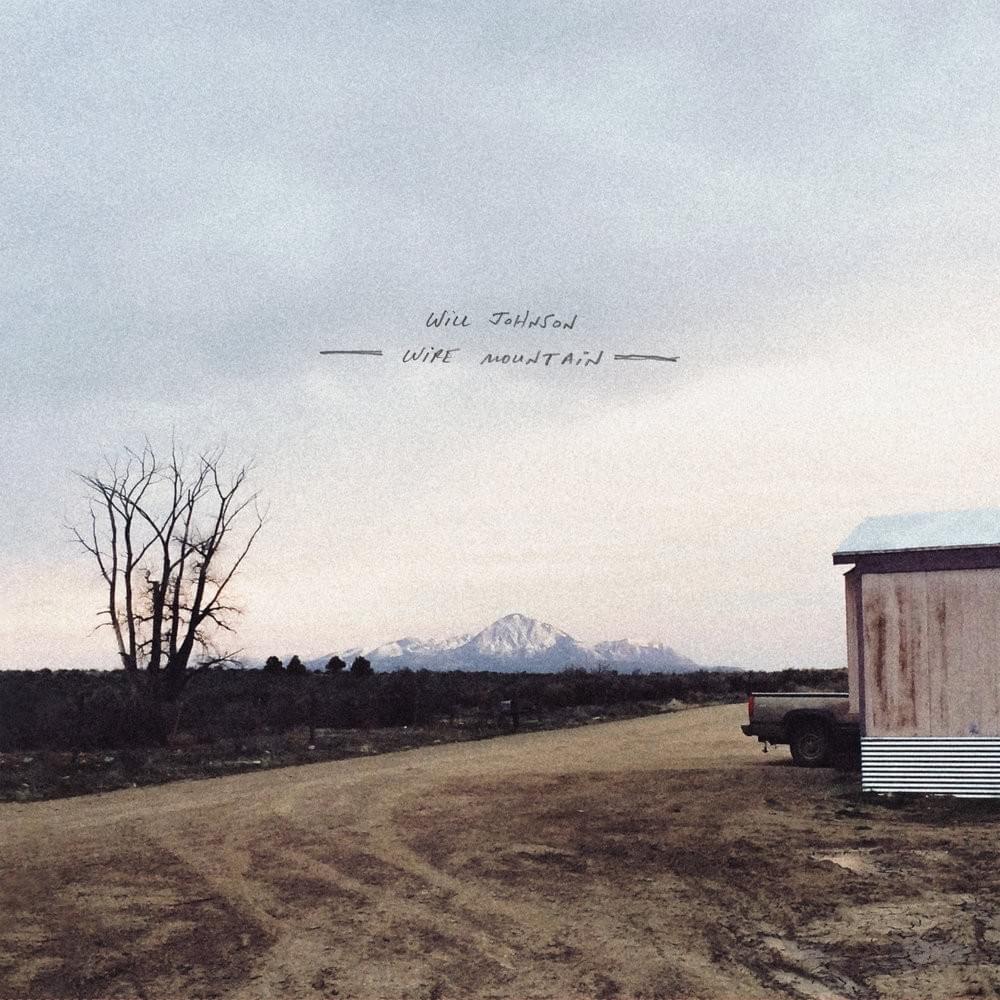
 View Artist