Song Meaning
The lyrics present a dramatic scene where Vishnu, a divine figure, attempts to convince a prince to fulfill his duty. To emphasize his point and perhaps awe the prince, Vishnu transforms into his multi-armed form, declaring himself "death, the destroyer of worlds." This powerful statement, directly quoted from the Bhagavad Gita, frames the prince's potential actions with immense cosmic consequence. The repetition of "the destroyer of worlds" amplifies the gravity of this divine pronouncement, suggesting that the prince's choice carries world-altering weight.
The core tension lies in the pressure placed upon the prince to act, juxtaposed with the overwhelming power Vishnu displays. The narrator's recollection of the reactions to a past event – "A few people laughed, a few people cried, most people were silent" – adds a layer of human response to immense, possibly destructive, power. This memory, triggered by Vishnu's declaration, hints at a prior experience where such power was unleashed, leaving a profound and varied impact on observers. The countdown "3..2..1" further builds anticipation for an imminent, significant event.
The most striking element is the direct appropriation of the Bhagavad Gita quote, "Now I am become death, the destroyer of worlds." This isn't just a metaphor; it's presented as a literal self-identification by a divine being. The lyrics suggest this transformation and declaration are meant to impress upon the prince the absolute finality and scale of the duty he is being urged to undertake. The ambiguity of the final line, "I suppose we all thought that, one way or another," casts a shadow, implying a shared, perhaps subconscious, understanding or anticipation of such destructive potential existing within humanity or the cosmos.
These lyrics are effective because they distill a moment of immense existential weight into a stark, almost cinematic exchange. The juxtaposition of divine persuasion with the human memory of silent awe and varied emotional responses creates a palpable sense of dread and consequence. The power of the borrowed scripture, wielded by a divine figure to command a prince, grounds the abstract concept of duty in the terrifying reality of ultimate destruction, making the prince's decision feel impossibly heavy.
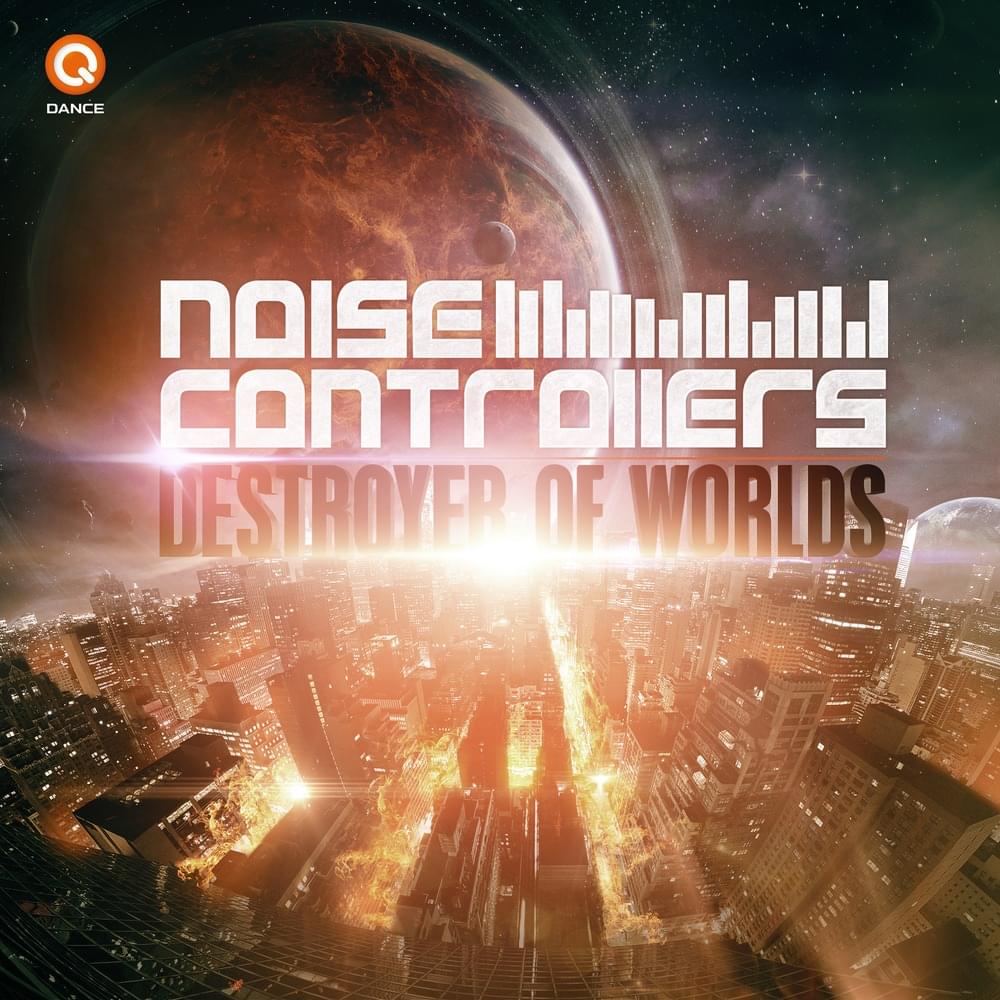
 View Artist