Song Meaning
The lyrics paint a picture of someone grappling with a fading reality, perhaps a relationship or a memory that's becoming increasingly distant. The opening lines, "Tell me why you burn and then / I've got to make it real again," establish a sense of urgency and a struggle against impermanence. The narrator feels compelled to actively reconstruct or hold onto something that is slipping away, acknowledging that its current state is "as real as it / Can be these days," hinting at a diminished authenticity.
The central tension arises from the contrast between a vibrant past and a muted present. The image of "planting flowers in your lawn" suggests a shared, grounded activity, a symbol of growth and future. This is juxtaposed with the feeling that "it's too long" and the unsettling repetition of "Nothing is wrong," which feels less like reassurance and more like a denial or an inability to pinpoint what has gone awry. The "blast until you're gone" line adds a layer of fleeting intensity, suggesting that whatever was once powerful has now passed.
The most striking shift occurs in the final stanza, moving from domestic imagery to a more surreal, almost desperate act. The "thick smoke of the street in the middle of the night" creates an atmosphere of obscurity and unease. The narrator’s desire to "climb up to heaven / And peer through your window" and then "Take the curtains out from your bedroom / And wrap myself up in them til I fall asleep" is a profound expression of wanting to absorb the essence of another person or place. It’s an attempt to find solace and escape by literally enveloping oneself in remnants of their space, a final, intimate act of clinging.
This lyrical construction is effective because it moves from a relatable sense of loss and the effort to preserve memory to a deeply personal, almost hallucinatory act of seeking comfort. The repetition of key phrases creates a hypnotic effect, mirroring the narrator's obsessive focus on what's lost. The final image of wrapping oneself in curtains offers a poignant, if melancholic, resolution—a surrender to sleep as the only means of feeling close to what has vanished.
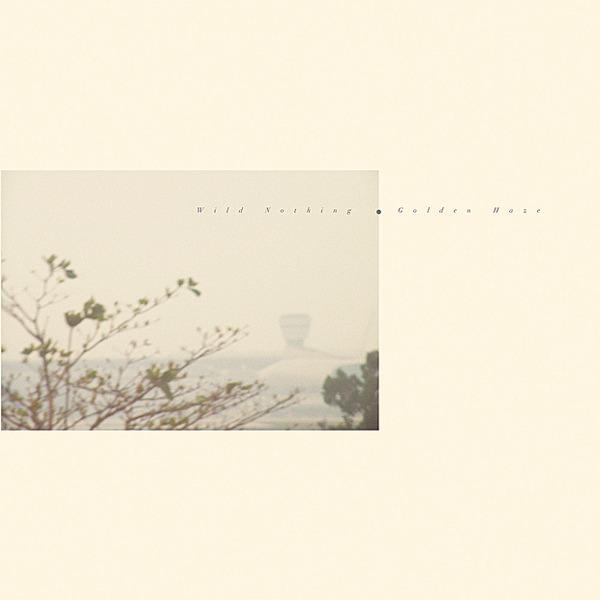
 View Artist