Song Meaning
The narrator casts themselves as a performer, driven by a desperate need for validation. They explicitly state they "sold myself for a shot at the moon" and to "be a big star," highlighting a transactional approach to their ambition. This pursuit involves a willingness to perform any role, even demeaning ones like being "your monkey every night," all in the hope of eliciting love and attention. The repeated command to "watch me now" underscores this performative existence, a plea for recognition that feels both demanding and hollow.
The core tension arises from the narrator's profound self-estrangement in service of external approval. They question their own actions with "Is that the way? I never knew," suggesting a loss of personal compass and a realization of their own perceived worthlessness: "I was a waste." This internal conflict is amplified by the stark declaration, "I'm not a human, I'm just a body." The lyrics paint a picture of someone who has reduced their identity to a mere vessel for others' pleasure, a "dancing shell here to make you happy."
The most striking aspect of the craft is the stark contrast between the outward performance and the internal emptiness. The narrator claims "I have no feelings, I have no thoughts," a chilling assertion that strips away their humanity in favor of fulfilling a programmed role. This dehumanization is directly tied to the goal of forcing affection: "I have to make you love me." The repetitive questioning "Is that the way?" acts as a refrain of bewildered self-discovery, each repetition reinforcing the bleak realization of their own manufactured existence and the perceived futility of their efforts.
Ultimately, the effectiveness of these lyrics lies in their raw portrayal of a soul sacrificing itself for a love it may never truly receive. The simple, almost childlike repetition of questions and commands creates a sense of a trapped, cyclical thought process. The narrator’s stark self-assessment as a "dancing shell" is a powerful, unsettling image that captures the profound emptiness of a life lived solely for the gaze and approval of others, leaving the listener with a lingering sense of unease about the cost of fame and validation.
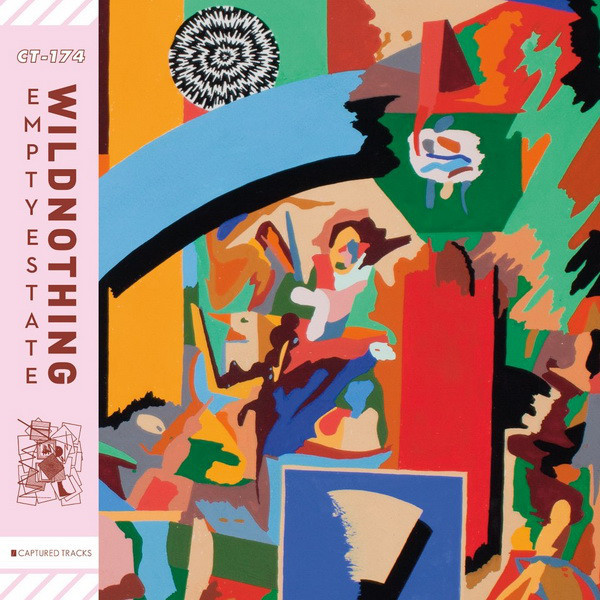
 View Artist