Song Meaning
The lyrics paint a picture of someone adrift, disconnected from conventional identity. The opening lines, "I belong to the stars in the day / I ran away," immediately establish a sense of cosmic detachment and flight from something undefined. This feeling is amplified by the repeated refrain of "Random name generator," suggesting a lack of fixed self and a reliance on chance for identity. The narrator seems to exist in a liminal space, "old" yet belonging to the "stars in the sky," a paradox that underscores their elusive nature.
The central tension emerges from this rootless existence. The plea, "You don't know me cold as night / Somebody hold me in the diamond light," reveals a deep-seated yearning for connection and recognition amidst this self-generated anonymity. This desire for anchoring is juxtaposed with the narrator's self-proclaimed role as an "eternal instigator" and "invisible instigator," hinting at a complex, perhaps even destructive, impulse to disrupt or provoke while simultaneously seeking solace.
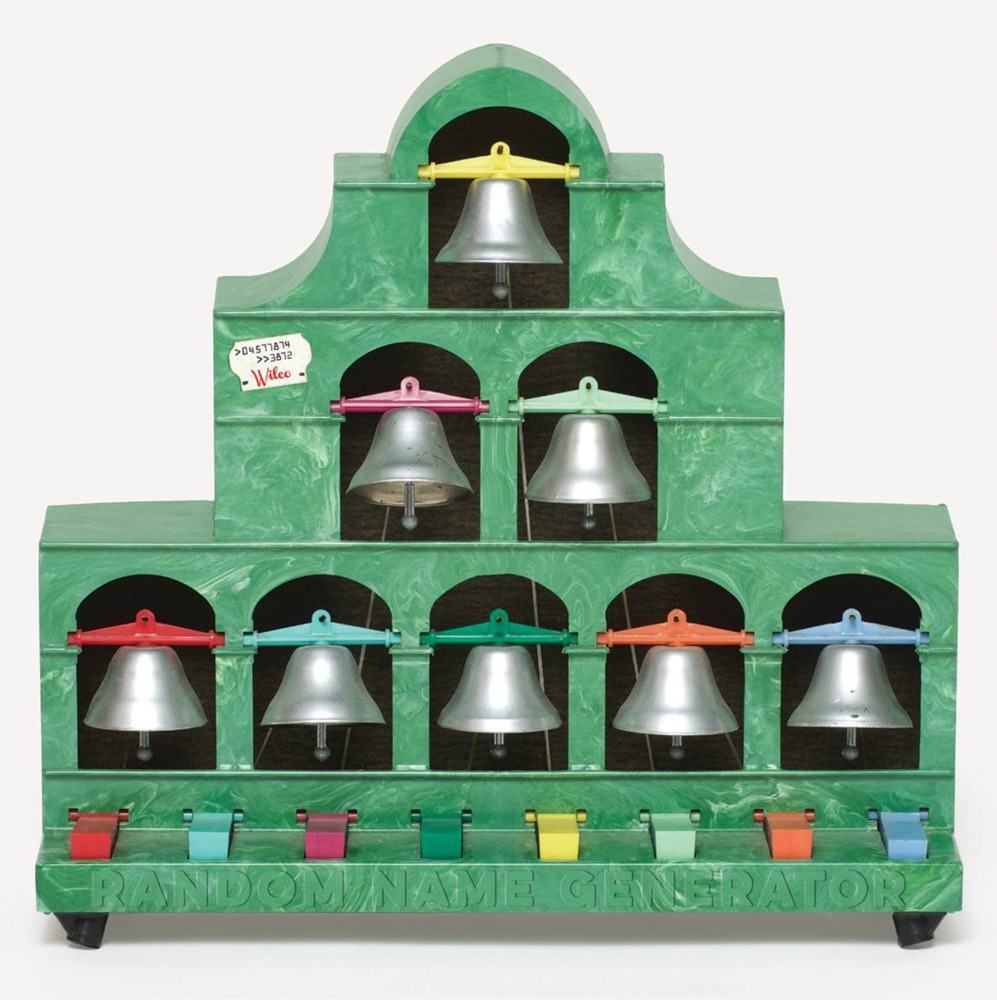
The most striking craft element is the persistent, almost hypnotic, repetition of "Random name generator." This phrase functions as a sonic and thematic anchor, reinforcing the idea of a fluid, unformed identity. The imagery of the "weed whistle way" and "weed whistle whine" adds a quirky, almost melancholic texture, suggesting a whimsical yet slightly unsettling path. The narrator's admission, "I kinda like it when I make you cry," introduces a darker, more provocative facet to their instigating nature, hinting that causing emotional reaction might be a perverse form of connection or validation.
Ultimately, the effectiveness of these lyrics lies in their portrayal of a profound existential loneliness masked by a facade of chaotic self-creation. The narrator's oscillation between cosmic belonging and a desperate need for human touch, coupled with their ambiguous role as an "instigator," creates a compelling portrait of someone struggling to find their place. The repeated "random name generator" becomes a mantra for a self that is constantly being redefined, yet never truly found, leaving the listener with a sense of unresolved yearning.
 View Artist