Song Meaning
The narrator is drowning in regret, a raw and immediate ache that colors the entire song. The opening lines confess a failure to listen, a missed opportunity that now feels catastrophic. This regret is so potent it curdles into a dark, almost violent wish: "wishing that you were dead." It's a shocking turn, immediately undercut by the admission of stupidity and distance, highlighting the self-inflicted nature of this pain. The narrator is left to learn harsh lessons from their solitude, a lonely consequence of their own actions.
The central tension lies in the narrator's self-awareness of their past mistakes versus their inability to escape the present consequences. They acknowledge their foolishness and the resulting isolation, yet the chorus hammers home a relentless, almost deterministic force: "Every little thing is gonna just tears you apart." This refrain suggests a cyclical pattern of destruction, where even minor actions or events inevitably lead to ruin, trapping the narrator in a loop of their own making.
The most striking craft element is the juxtaposition of profound regret with a stark, almost clinical observation of past behavior. The narrator admits to trying to "keep the door locked" when younger, a metaphor for emotional or physical isolation, and immediately recognizes it as a mistake. This self-correction, however, offers little solace as it's framed by the overwhelming sense that "every little thing" conspires against them. The repetition of "every little thing" in the chorus amplifies this feeling of inescapable doom, making the personal failure feel like a universal law.
Ultimately, the lyrics resonate because they capture the paralyzing weight of hindsight and the feeling of being caught in a downward spiral. The raw admission of wishing harm upon someone, followed by the immediate self-recrimination and the relentless chorus, creates a potent portrait of self-destruction. It's the feeling of knowing exactly where you went wrong but being powerless to stop the inevitable fallout, a deeply human and often painful experience.
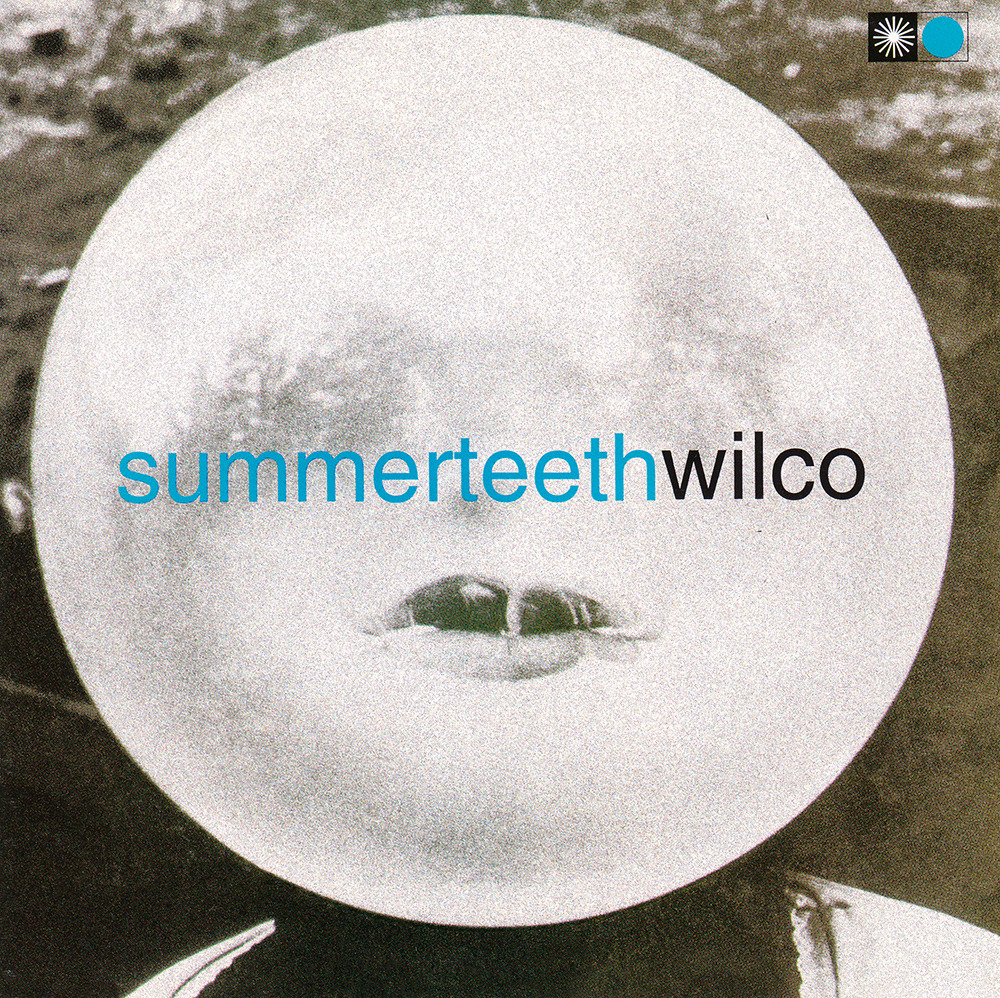
 View Artist