Song Meaning
The lyrics paint a picture of a relationship steeped in a dark, almost gothic allure, where the narrator feels increasingly detached and elusive. The opening lines establish a sense of loss, with the narrator's presence fading like a shadow. This is amplified by phrases like "darker alley" and "darker kind of rhythm," suggesting a descent into a more complex, perhaps dangerous, emotional space. The narrator's desire is framed by this darkness, wanting to be seen and understood within this elusive persona.
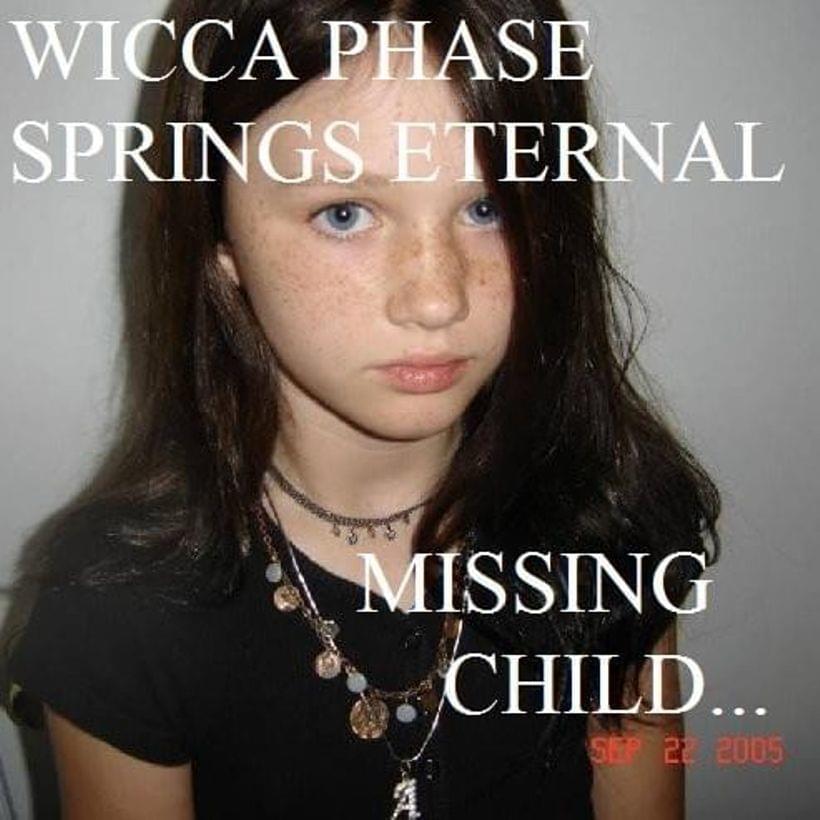
The central tension arises from the narrator's struggle with their own identity and emotional state, described as "too cold" and "elusive." They seem to be grappling with a persona that is both alluring and isolating, referencing figures like "Lucifer" and "Super Frieza" to articulate a powerful, almost god-like, yet potentially destructive self-image. This internal conflict manifests as a "missing child" state, a plea for connection amidst this self-imposed or circumstantial alienation.
The chorus is where this internal struggle becomes most explicit, detailing a process of "calm[ing] my ego," "call[ing]" to "see the man," and then "fall[ing] back easy." This suggests a cyclical pattern of self-assertion followed by withdrawal, a desperate attempt to reconcile the "pain" with an "icy motion." The repeated "missing child" refrain acts as a raw expression of this lost or fragmented self, yearning for recognition and stability, even as the narrator admits to "freezing" and trying to "put muscle on the weight."
Ultimately, the effectiveness of these lyrics lies in their raw, almost confessional portrayal of emotional fragmentation and the desperate search for love amidst it. The juxtaposition of dark, fantastical imagery with the vulnerability of a "missing child" creates a potent emotional landscape. The closing lines, "Love me 'til I'm dead, it might only be tomorrow," underscore a profound sense of urgency and a fragile hope for connection, grounding the complex internal drama in a stark, immediate plea.
 View Artist