Song Meaning
The lyrics of "Back to the Wind" paint a vivid picture of a speaker in motion, shedding a past self. There's an immediate sense of liberation, a feeling of strength as the narrator declares, "Back to the wind, I feel so strong." This newfound freedom is marked by a striking detachment: "No reflection in the glass, babe, I'm gone."
Beneath this powerful forward momentum lies a clear acknowledgment of past struggle. The speaker labels their former state as "Tragic the way I used to dwell," hinting at a period of stagnation or pain. Yet, the lyrics quickly pivot to an acceptance of life's inherent fluidity, repeating the mantra, "People change, it's okay, nothing's wrong." This refrain suggests a deep-seated, almost intuitive understanding of impermanence, even as a "Fear of change" is openly admitted.
The imagery surrounding the "knife" is particularly compelling, evolving from a question of threat to a symbol of unexpected value. Initially, the speaker wonders, "Maybe there's no edge of the knife," implying a hope for an end to sharp pains. Later, this transforms into a vision of "Diamonds on the edge of a knife," suggesting that beauty and worth can be found even in precarious or dangerous situations, a testament to resilience.
Ultimately, the power of these lyrics lies in their quiet, profound shift in perspective. The repeated phrase "We knew it all along" initially grounds the acceptance of change in a shared understanding. However, the final lines deliver a crucial personal revelation: "I'm okay, nothing's wrong / I knew it all along." This transition from "we" to "I" signifies a deeply internalized wisdom, making the acceptance of change not just a shared truth, but a personal, empowering realization.
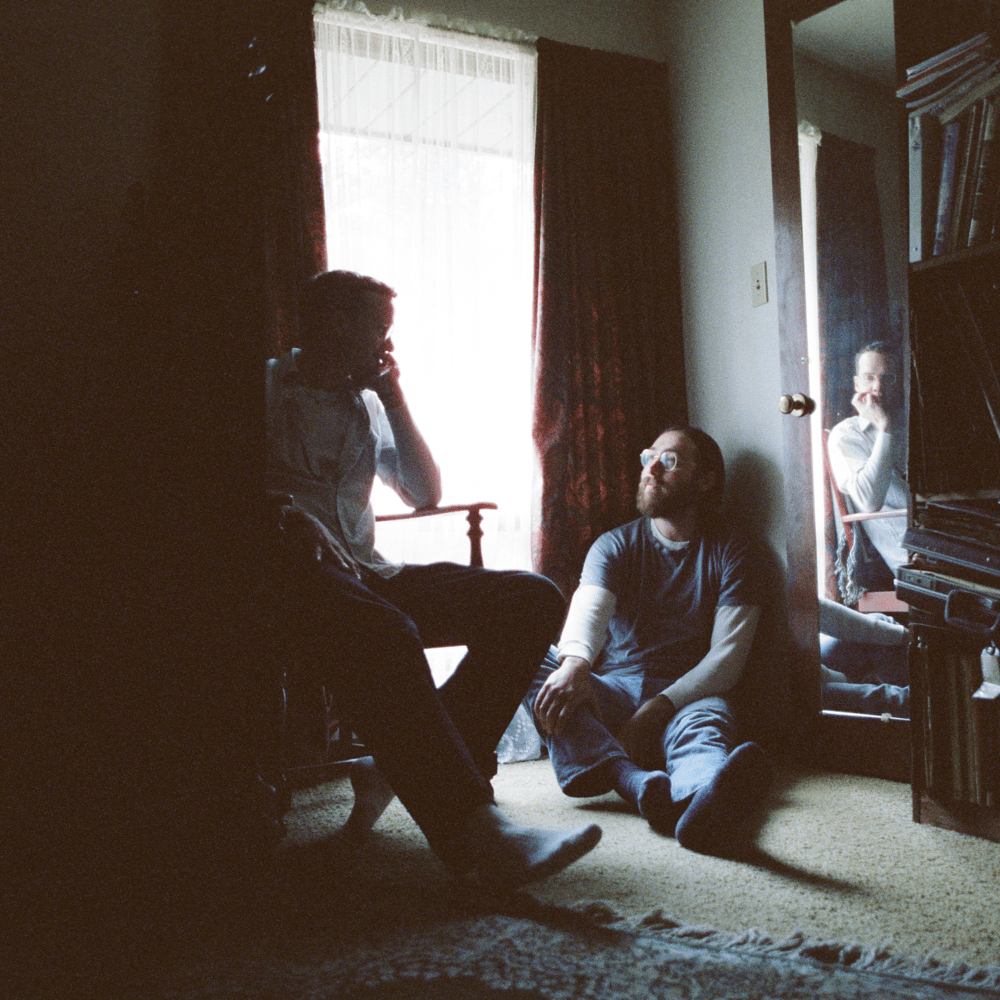
 View Artist