Song Meaning
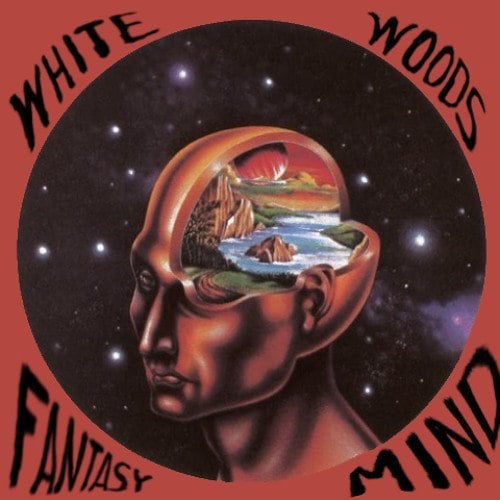
The lyrics open with a stark image: a person looking in a mirror, unable to recognize their own reflection. A profound sense of detachment permeates the verse, as the narrator struggles with a "fantasy that infects" their every waking moment. This internal struggle feels inescapable, a battle they "can't seem to make it die."
This internal turmoil is amplified by unsettling parenthetical interjections like "(It's in your head)" and the chilling "(You are already dead)." These lines suggest either a harsh inner critic or external voices dismissing the narrator's experience, deepening the sense of isolation and psychological distress. The struggle isn't just with self-perception but with a pervasive, almost parasitic, mental state.
Yet, a defiant shift emerges in the hook. The narrator declares, "I'll make it on my own someday," envisioning a life "on the road with my super-brain." This burst of self-reliance and intellectual escape is quickly undercut by a cynical philosophy: "You don't need to win, you just need to play / Until you fade away." The promise of independent strength is immediately diminished by the inevitability of decay, suggesting that even a powerful mind cannot escape a predetermined end.
The repeated phrase, "You only fall asleep again," which closes the song, acts as a haunting, almost hypnotic refrain. It recontextualizes the earlier defiance, stripping away any lingering hope and replacing it with a profound sense of resignation. This repetition blurs the lines between sleep, death, and a cyclical, inescapable fate, leaving the listener with a chilling sense of existential weariness that makes the preceding struggle feel ultimately futile.
 View Artist