Song Meaning
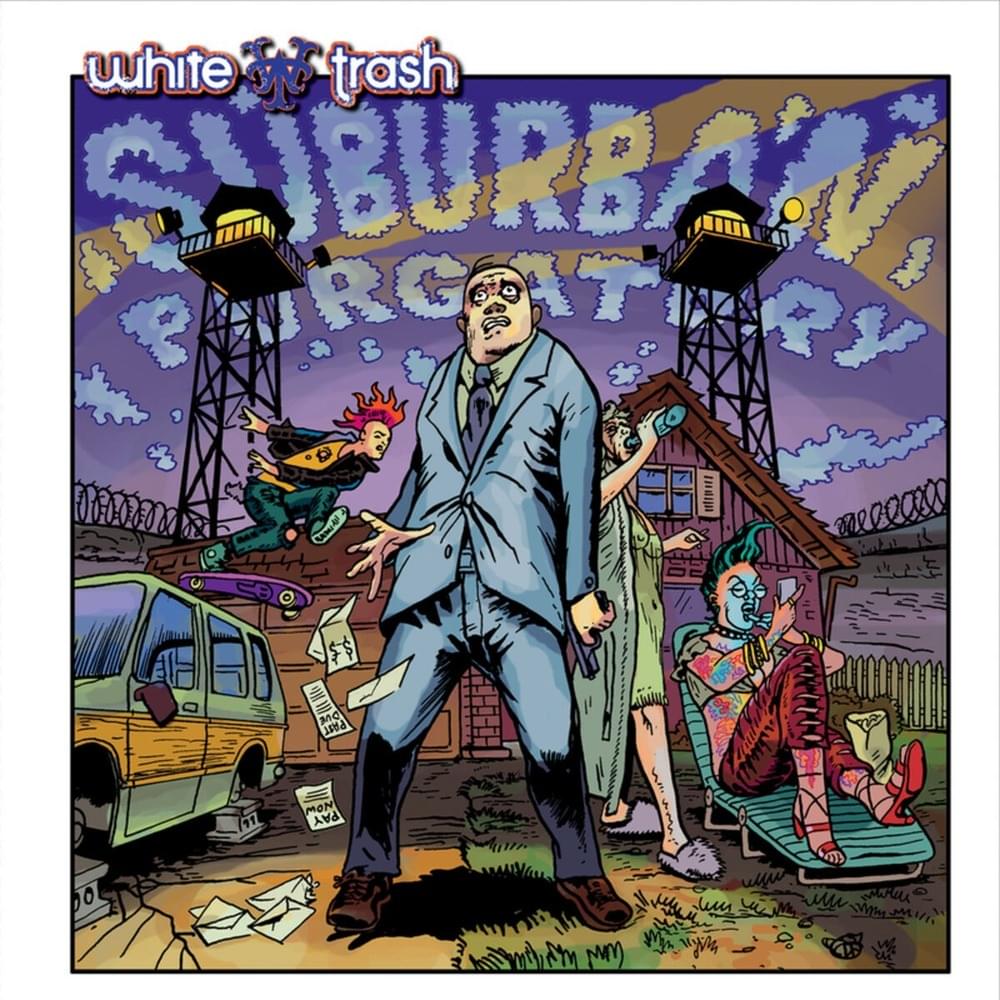
The lyrics paint a stark picture of a man whose life has spiraled into despair, beginning with a pivotal summer day that shattered his world. He grapples with overwhelming regret and a desperate urge to escape his circumstances, admitting he's "took too much crap." This initial sense of being trapped and burdened sets a heavy, suffocating tone.
The narrative quickly descends into self-destruction and profound loss. The narrator turns to substance abuse, experiencing a distorted reality where "the grass is red." The absence of his wife, evidenced by her pawned ring and the narrator's destructive act of burning her belongings, signifies a complete breakdown of his personal life and relationships. This act of obliteration underscores the depth of his anguish and his desire to erase the past.
The writing masterfully builds towards a tragic climax, using sensory details to amplify the dread. The "sirens whining" and "blue lights flash in the rain" create an immediate, inescapable sense of doom. The final moments are chillingly direct, focusing on the physical actions of preparing to end his life – "The gun it clacks as the trigger goes back" – driven by the singular, desperate hope to "feel no more pain."
This descent is effective because it grounds immense emotional pain in concrete, devastating actions. The contrast between the idyllic "summer day" and the finality of the outro, repeating "Everything changed" and "My last day," highlights the irreversible nature of the narrator's fate. The lyrics don't offer solace; instead, they present a raw, unflinching portrayal of a life consumed by regret and ending in profound tragedy.
 View Artist