Song Meaning
The lyrics paint a picture of someone grappling with the idea of disposability, both in their own life and in relationships. The opening lines, "I don't want to live all the way with a throwaway / I'm gonna throw away / All away," establish a raw, almost desperate desire to reject a transient existence. This feeling is immediately contrasted with a singular focus on another person, the only one who seems to offer a unique perspective: "Only you, it's only you who saw the moon, there's a rainbow." This suggests a profound connection that stands apart from the narrator's general feelings of worthlessness or impermanence.
The dominant tension lies in the stark repetition of "Nothing's forever." This phrase, uttered four times in the chorus, acts as both a cynical observation and a potential self-fulfilling prophecy. It’s a mantra that seems to acknowledge the fleeting nature of things, perhaps even the relationship itself. Yet, the narrator’s insistence on this point, especially after highlighting the unique connection, creates an internal conflict: a fear of permanence clashing with a desire for something lasting, or at least something meaningful enough to escape the "throwaway" label.
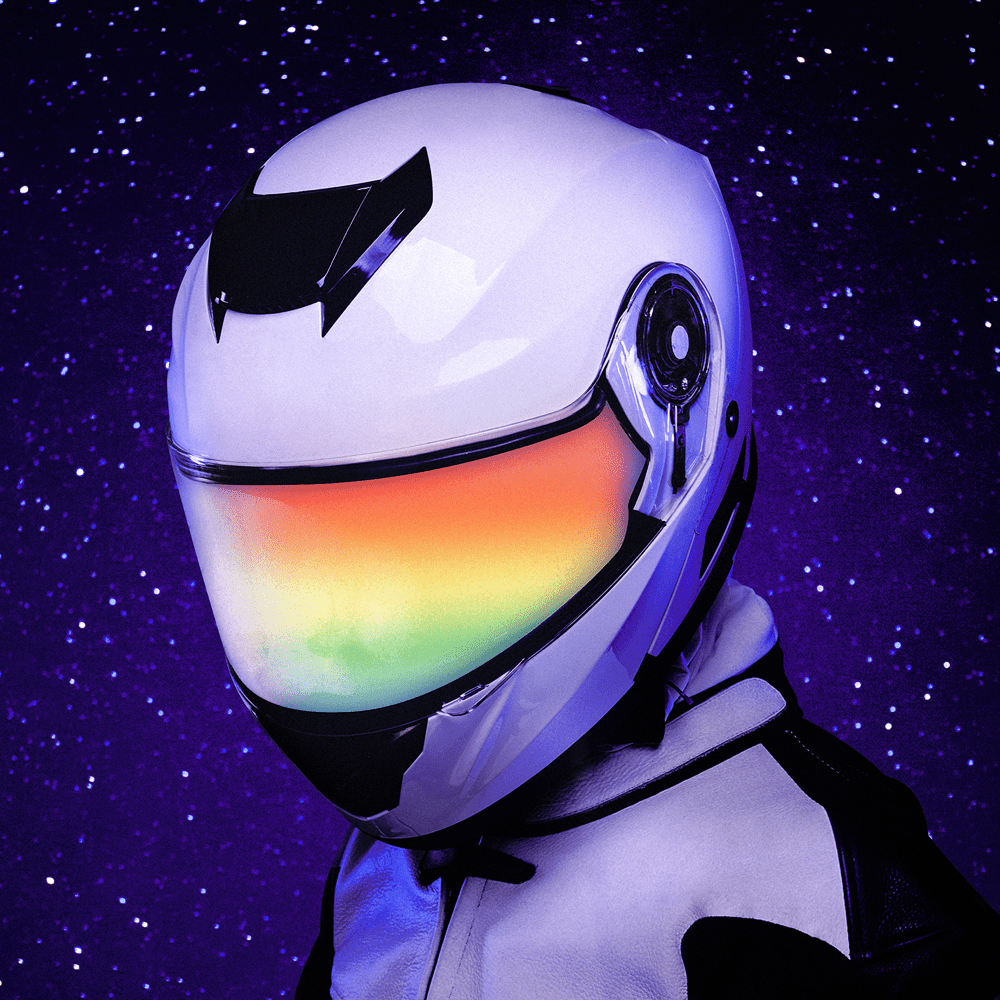
The most striking craft element is the juxtaposition of the narrator's self-deprecating "throw away" mentality with the specific, almost magical imagery associated with the beloved – seeing the moon and a rainbow. This contrast elevates the other person from a mere romantic interest to someone who possesses a rare, illuminating vision. The outro then introduces a new layer, differentiating between the narrator's plea to their "only lover" and the passive waiting of "lonely lovers." This implies a conscious choice to pursue something, even while acknowledging its potential impermanence, rather than passively accepting a solitary, endless wait.
Ultimately, these lyrics resonate because they capture a very human struggle: the fear of being insignificant or temporary, and the desperate search for a connection that feels real and enduring amidst that uncertainty. The writing uses stark, almost brutal language about disposability, then pivots to tender, specific imagery, creating an emotional arc that feels both vulnerable and defiant. The repeated assertion that "Nothing's forever" becomes less a statement of fact and more a desperate plea to be seen and valued, even if only for a moment.