Song Meaning
The lyrics present a stark contrast between common, often harsh, perceptions of love and a singular, hopeful alternative. Initially, love is depicted through destructive metaphors: a drowning river, a bleeding razor, an endless hunger. These images paint love as something that can overwhelm, wound, or leave one perpetually wanting. The narrator, however, directly counters these with a gentler, more nurturing view, stating, "I say love it is a flower / And you its only seed." This immediately reframes love not as an external force to be endured, but as something organic, requiring care and possessing inherent potential for growth, with the individual as its vital source.
The core tension emerges from a pervasive fear that paralyzes potential and prevents genuine experience. The lyrics link fear directly to inaction: a heart afraid of breaking can't dance, a dream afraid of waking never takes a chance. This extends to relationships, where the one unwilling to be vulnerable "cannot seem to give." The most profound connection is drawn between the fear of death and the inability to truly live. It suggests that a life defined by avoidance, by a refusal to risk the pain or loss, is ultimately a life unlived, a perpetual state of non-existence.
The most compelling craft lies in the extended metaphor of the seed and the rose, particularly in the final verse. After detailing the anxieties that stunt growth, the lyrics offer a powerful image of resilience. The "seed that with the sun's love / In the spring becomes the rose" is a potent symbol of hope emerging from hardship. It directly addresses the listener who might feel "lonely" or that love is "only for the lucky and the strong," suggesting that even in the harshest conditions, like winter's bitter snow, the potential for beauty and fulfillment lies dormant, waiting for the right conditions to bloom.
This lyrical structure effectively builds from a series of negative associations to a singular, positive affirmation, making the final message of hope feel earned and deeply resonant. The shift from external, often violent, definitions of love to an internal, organic one, coupled with the powerful imagery of the seed's transformation, provides a profound emotional arc. It reassures the listener that even when love feels distant or unattainable, the capacity for it, and for a life fully lived, resides within, waiting for the right moment to emerge and conditions to emerge.
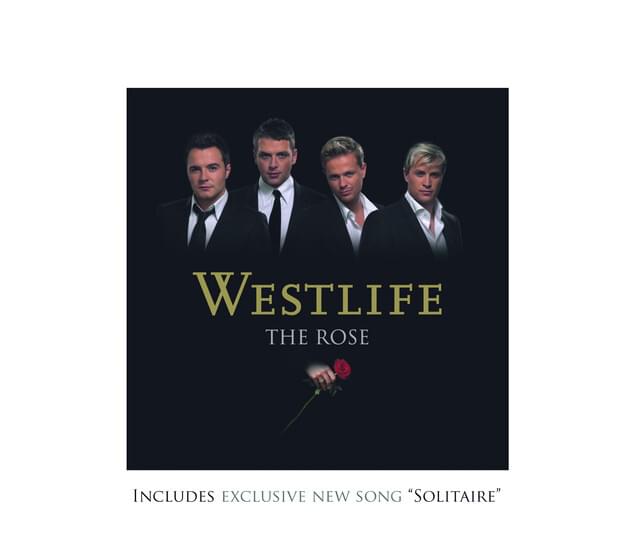
 View Artist