Song Meaning
The lyrics paint a vivid picture of a fleeting summer romance, initiated and ultimately ended by the titular "summer wind." The opening lines establish a gentle, almost magical atmosphere, where the wind is a tangible presence, interacting with the narrator and his lover. This idyllic scene, filled with shared moments like singing and strolling on the sand, is presented as a perfect, almost dreamlike period, where "the world was new." The wind is personified as a companion, a witness to their happiness.
The central tension arises when this benevolent force transforms into an agent of separation. The wind, once a shared presence, "called to you" and, in doing so, "lost you" to the narrator. This shift is abrupt and leaves the narrator alone, highlighting the ephemeral nature of both the season and the relationship. The contrast between the vibrant, shared "summer long" and the subsequent "lonely days" underscores the profound sense of loss.
The most striking element is the personification of the "summer wind" as a "fickle friend." This recurring phrase imbues the wind with agency and a sense of betrayal. It's not just an environmental force; it's an entity that actively participated in the romance and then actively took the lover away. The narrator's "lullabies" through "nights that never end" are now directed at this fickle friend, a poignant expression of his enduring grief and his inability to let go of the force that brought him joy and then took it away.
This lyrical construction is effective because it externalizes the narrator's internal experience of loss. The wind becomes a powerful, almost mythical force responsible for both the peak of his happiness and the depth of his sorrow. The repetition of "the summer wind" at the end, after the mention of autumn and winter, emphasizes how this singular memory continues to dominate the narrator's present, making the past summer wind a constant, haunting presence.
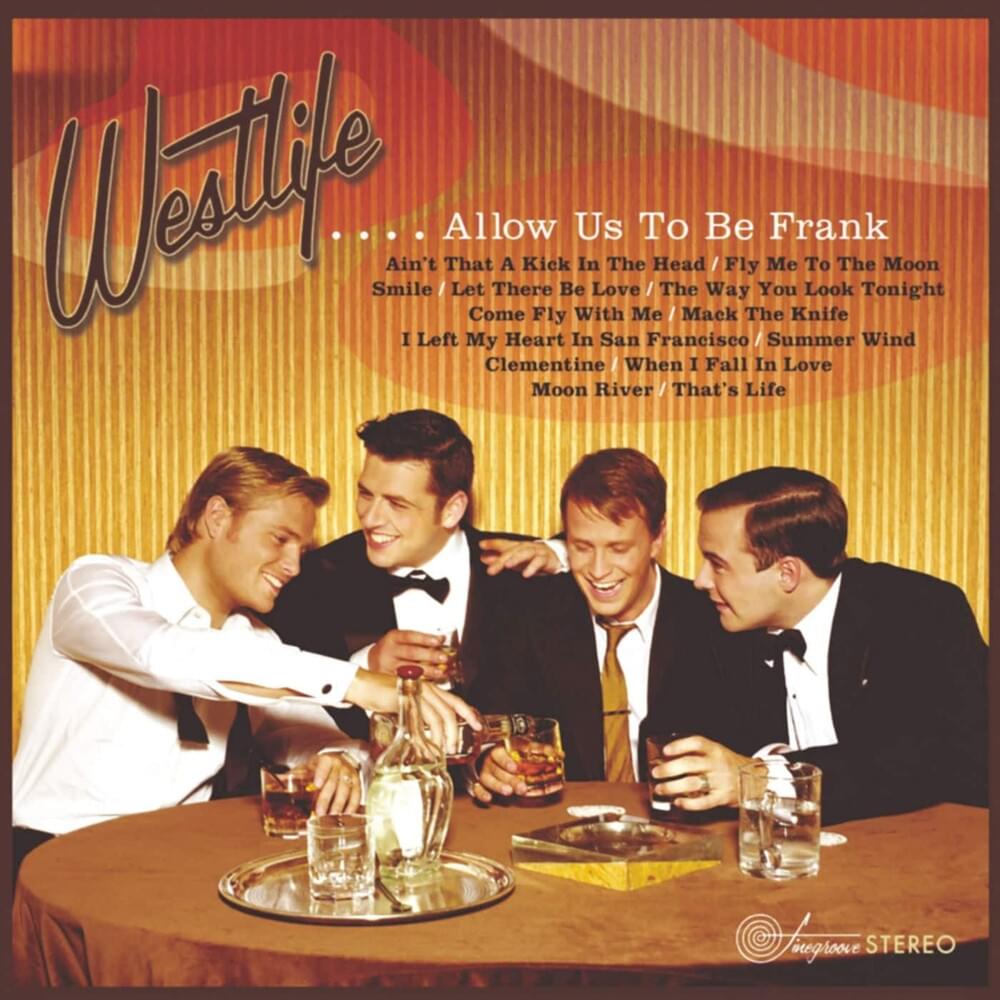
 View Artist