Song Meaning
The lyrics paint a vivid picture of profound dependence, where the narrator's entire world has soured in the absence of a significant other. Life's "subtle flavours" have turned to "bitter seeds and poisoned leaves," a stark contrast that immediately establishes the depth of this loss. The narrator sees this person as the sole source of truth and vitality, draining the "colour from the sky" and turning "blue" when they are gone. This isn't just sadness; it's an existential void.
The central tension lies in the narrator's desperate plea for unity against the perceived madness of separation. The imagery of being the "left eye" and the other the "right" powerfully suggests an inherent incompleteness when apart, a biological and fundamental need to be together. The repeated question, "Would it not be madness to fight?" underscores the illogical nature of conflict when their very existence seems intertwined and dependent on each other.
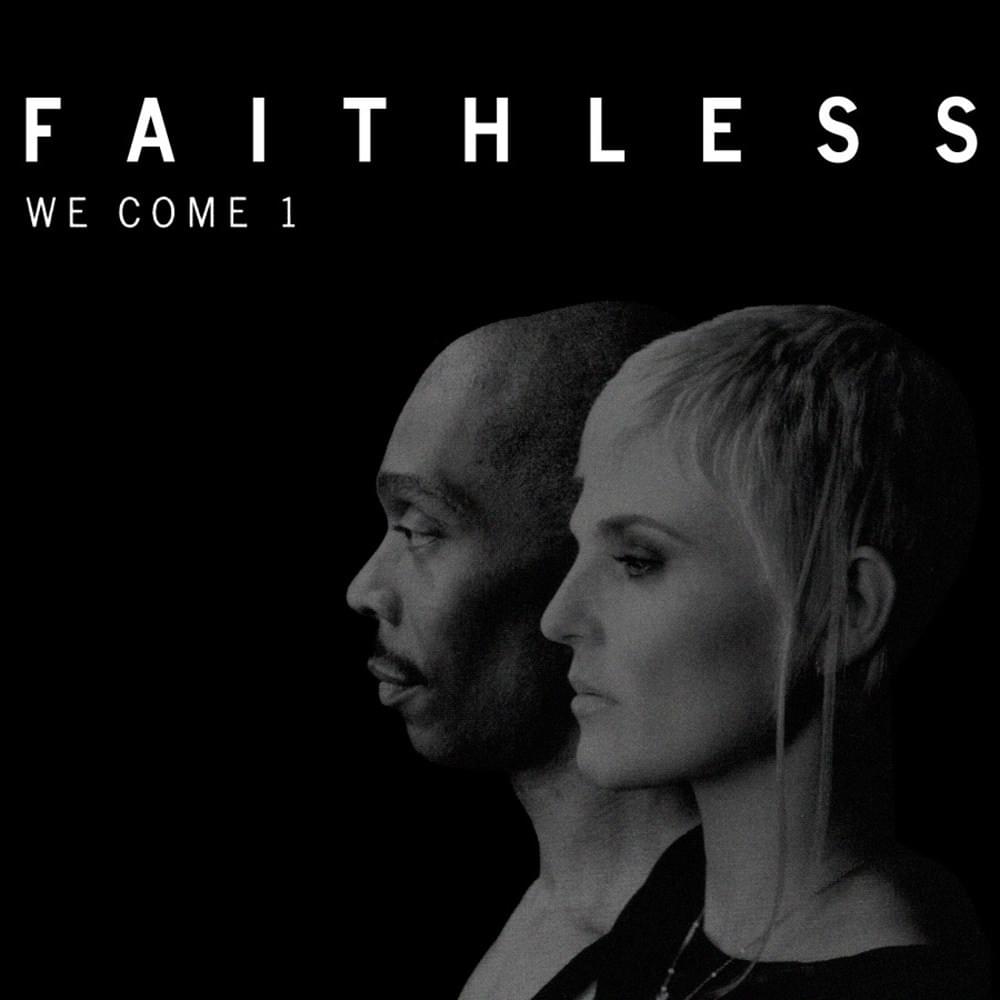
The most striking element is the transformation from a state of distress to one of resolute unity, culminating in the repeated, emphatic declaration, "We come 1." This phrase, more than just a statement of togetherness, suggests a merging of identities, a singular entity formed by their union. The subsequent lines, "In you the song which rights my wrongs," "the fullness of living," and "The power to begin again," further solidify this idea, presenting the other person as a redemptive force that restores balance and purpose.
Ultimately, these lyrics resonate because they articulate a primal need for connection, framing it not as a preference but as a fundamental requirement for existence and well-being. The craft here is in the stark, almost visceral imagery of decay and the subsequent, powerful assertion of unity. It’s the raw expression of how one person can become the entire world, the anchor that prevents everything else from falling apart.
 View Artist