Song Meaning
The familiar nursery rhyme gets a profound spiritual re-imagining, transforming a simple tumble down a hill into a narrative of original sin and redemption. The initial image of Jack and Jill fetching water quickly shifts to a biblical parallel, linking their fall to Adam and Eve's deception by Satan. This sets up a central theme of human failing and the subsequent loss of grace, where both the nursery rhyme characters and biblical figures experience a fall, a 'broken crown' and compromise.
The lyrics then pivot to a direct address, speaking to someone who feels 'beaten down' and has 'lost your crown,' implying a personal spiritual struggle. The narrator urges this individual not to give up, pointing them 'to the hill' as a source of hope. This hill, initially a mundane setting for a child's mishap, becomes a loaded symbol of spiritual ascent and trial.
The most striking craft element is the seamless weaving of the nursery rhyme with Christian theology. The 'pail of water' transforms into 'living water,' a direct allusion to spiritual sustenance. Jesus Christ's sacrifice is explicitly linked to 'fallen Jack and Jill,' framing His suffering as a redemptive act for all who have fallen, echoing the original sin narrative. The repetition of 'tumbling after' and the final 'forever after' underscore the cyclical nature of fall and the promise of eternal life through faith.
Ultimately, these lyrics resonate by taking a universally recognized, innocent story and imbuing it with deep theological meaning. The effectiveness lies in its ability to recontextualize a simple rhyme into a powerful metaphor for the human condition – the fall from innocence, the struggle with sin, and the ultimate hope offered through faith and sacrifice. The narrative arc moves from a literal fall to a spiritual one, and finally to a promise of eternal salvation, making the familiar feel fresh and deeply significant.
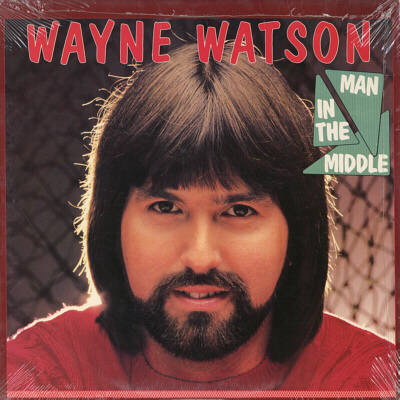
 View Artist