Song Meaning
The narrator expresses a deep desire to escape a past filled with pain and sorrow. They've learned only suffering and witnessed love fade away, a process described with a quiet, heartbreaking "morrer devagar, se apagar." This longing to return isn't about undoing events, but rather shedding the weight of memory and the ache of saudade, the Portuguese word for a profound, melancholic longing.
The central tension lies in the narrator's struggle against a pervasive sense of aimlessness and despair, both their own and that of others. The image of "tanta gente a vagar / Sem saber viver" paints a bleak picture of a community adrift, mirroring the narrator's internal state. They are determined to break free from this cycle, seeking a rebirth from "Das tardes mais sós," the loneliest afternoons.
What's striking is the narrator's resolute stance against seeking absolution. The declaration "Não quero mais perdão / Porque já sofri demais" is a powerful assertion of self-sufficiency born from immense hardship. It suggests that the suffering itself has become a form of knowledge, a foundation upon which they can now stand without needing external validation or forgiveness.
This lyrical passage resonates because it captures a universal human experience: the struggle to move past profound pain and reclaim one's sense of self. The specific imagery of love fading and people wandering aimlessly grounds the abstract emotions in tangible, relatable scenes. The ultimate refusal of forgiveness, instead embracing the strength forged through suffering, offers a potent message of resilience.
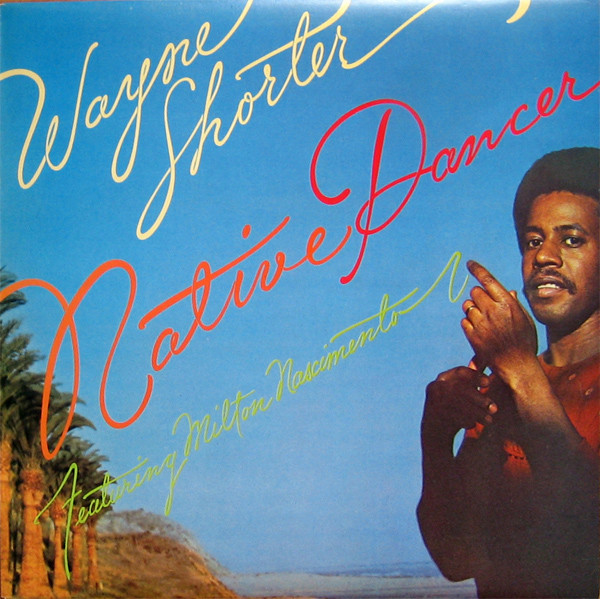
 View Artist