Song Meaning
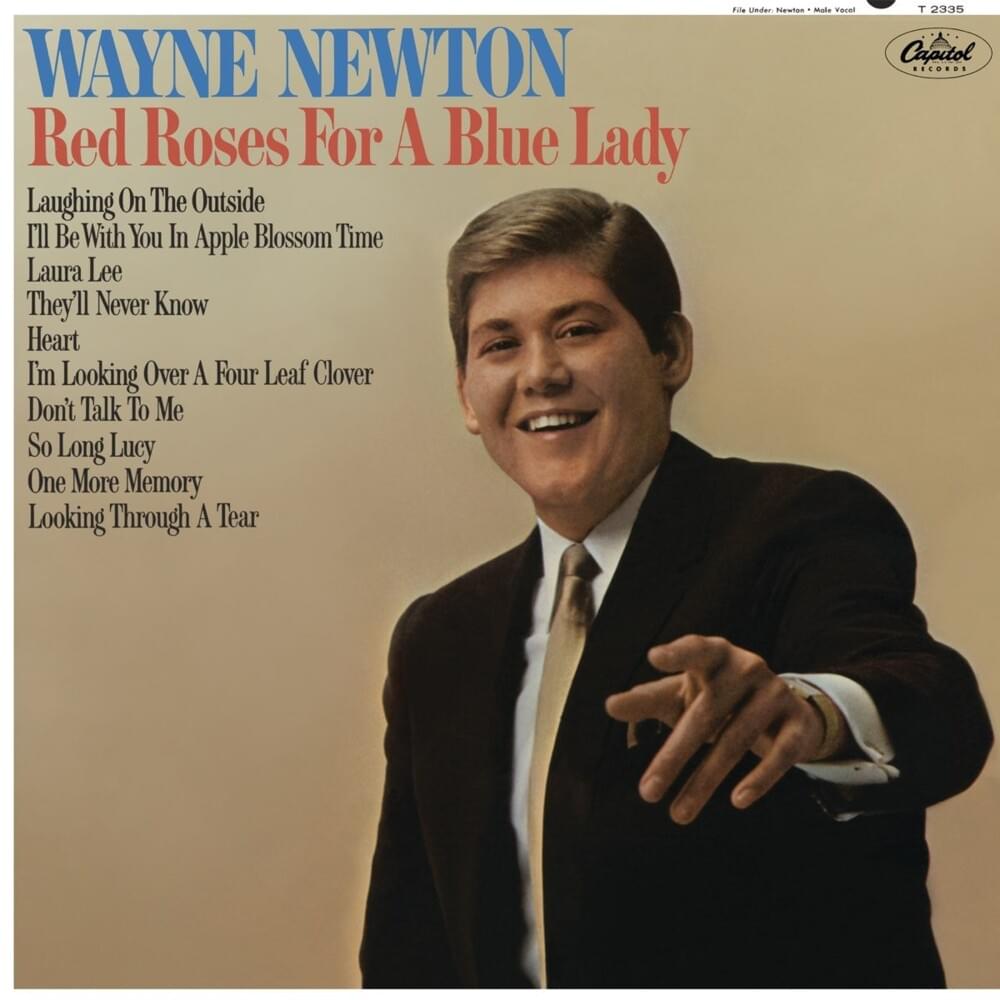
{"song_id": 12912475, "meaning": "Wayne Newton's \"One More Memory\" isn't just a song; it's a masterclass in melancholic avoidance. The track's core concept revolves around the protagonist's desperate, yet ultimately futile, attempts to outrun the ghosts of a past relationship. Every conscious effort to forget—avoiding familiar places, cutting ties with mutual friends—only serves to amplify the very memories he seeks to bury. This creates a poignant paradox: the act of trying to forget becomes the catalyst for remembering. It's a vicious cycle, fueled by the raw, lingering pain of loss. The repetition of the phrase 'One more memory' underscores the inescapable nature of grief, suggesting that time, rather than healing all wounds, simply layers them with additional layers of remembrance. Newton's delivery, imbued with a world-weariness that only a seasoned performer can convey, elevates the song beyond a simple lament.
The true genius of “One More Memory” lies in its understanding of how the human mind processes trauma. The lyrics subtly hint at the psychological phenomenon of thought suppression, where attempts to consciously block unwanted thoughts often lead to their increased frequency and intensity. The line, 'I don't think about the things that used to be,' is perhaps the most telling, revealing the narrator's awareness of his own self-deception. He knows he *shouldn't* think about the past, but the very act of acknowledging this creates a mental loop, trapping him in a perpetual state of longing. It's a stark portrayal of how grief can warp our perception of time, turning cherished moments into instruments of torture.
Ultimately, “One More Memory” is a poignant exploration of the enduring power of the past. It’s a song about the futility of trying to erase what has been, and the painful realization that some memories, no matter how hard we try to suppress them, will forever remain etched in our minds. The song acknowledges that memories are 'all they'll ever be', suggesting acceptance and resignation. It's a mature, introspective piece that resonates with anyone who has ever struggled to let go of a love that's irrevocably gone."}
 View Artist