Song Meaning
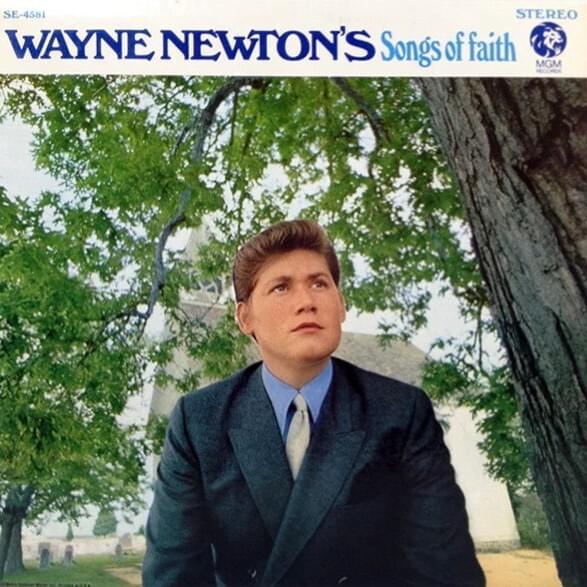
{"song_id": 12909721, "meaning": "Wayne Newton's rendition of \"Nobody Knows the Trouble I've Seen\" isn't just a song; it's a raw, vulnerable plea echoing from the depths of human suffering. The core of the song meaning resides in its stark confession: a world of private pain, witnessed only by the divine. It speaks to the isolating nature of hardship, the kind that burrows deep into the soul, leaving an individual feeling utterly alone in their struggle. The repetition of \"Nobody knows the trouble I've seen / Nobody knows but Jesus\" underscores this profound sense of isolation, highlighting the solace found in faith when human understanding fails. The song doesn't detail the specific nature of this 'trouble,' which in turn makes the song universally accessible, allowing listeners to project their own experiences of hardship onto the lyrics. It could be grief, addiction, societal oppression, or any personal torment that feels insurmountable.
The verses, though brief, offer a glimpse into the cyclical nature of hardship: \"Sometimes I'm up, sometimes I'm down / Sometimes I'm almost to the ground.\" This acknowledges the fluctuating landscape of suffering, the ebb and flow of hope and despair. The interjection of \"Oh, yes, Lord\" acts as both a confirmation of faith and a cry for help, a desperate clinging to something greater than oneself in the face of adversity. It's a testament to the enduring power of belief in the face of overwhelming odds, a way of finding strength when one's own reserves are depleted.
Ultimately, \"Nobody Knows the Trouble I've Seen\" is a testament to resilience, however precarious. The repeated affirmation of \"Glory Hallelujah\" isn't just a rote religious declaration; it's an act of defiance against the darkness. It's a refusal to be completely consumed by despair, a choice to find glimmers of hope and gratitude even in the midst of profound suffering. Wayne Newton's interpretation, steeped in the traditions of spirituals, becomes a powerful expression of human vulnerability and the unwavering search for solace in a world that often feels indifferent."}
 View Artist