Song Meaning
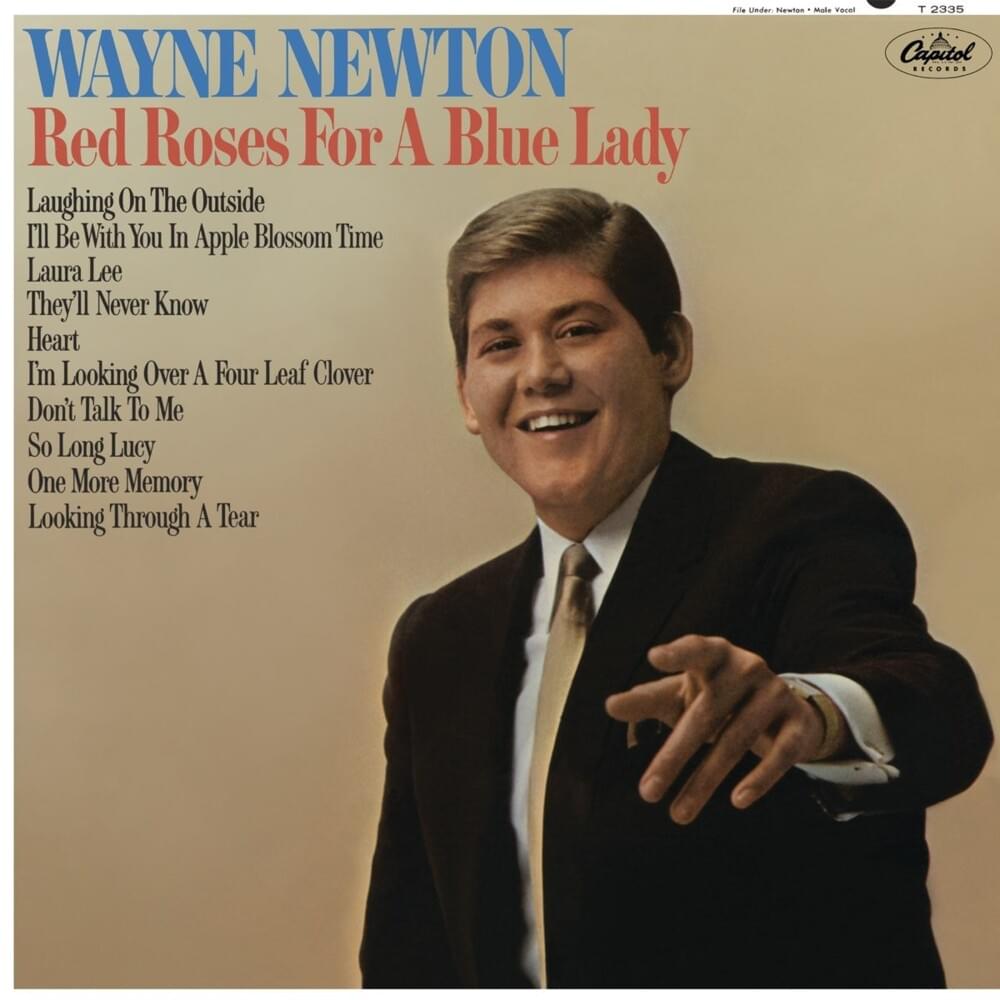
Wayne Newton's rendition of "I'll Be With You In Apple Blossom Time" paints a portrait of idealized, almost aggressively wholesome, marital bliss. The song's lyrics, simple and direct, bypass nuanced emotion in favor of a relentlessly optimistic vision of a wedding day. The titular "apple blossom time" itself becomes a symbol, representing not just the beauty of spring, but the perceived purity and promise of a new life together. It's a world scrubbed clean of doubt, where the sun invariably shines on the happy bride, and church bells offer a soundtrack to unwavering commitment. The song's appeal, and perhaps its potential psychological underpinnings, lie in its complete embrace of fantasy. It offers a temporary escape into a world where love is uncomplicated, commitment is absolute, and happiness is guaranteed. This can be interpreted as a form of wish fulfillment, tapping into a deep-seated desire for stability and uncomplicated joy in a world that often feels chaotic and uncertain.
However, the song's very simplicity can also be viewed through a more critical lens. The absence of any hint of real-world challenges, the complete erasure of potential conflict or hardship, creates a somewhat unsettling picture. The focus on changing the bride's name, while traditionally symbolic, can be interpreted in a modern context as a subtle assertion of patriarchal control. The relentless positivity, devoid of any shadow, might hint at a repression of genuine emotions, a refusal to acknowledge the complexities inherent in any long-term relationship. The lyrics suggest a performance of happiness, rather than an authentic expression of it.
Ultimately, "I'll Be With You In Apple Blossom Time," as performed by Wayne Newton, functions as both a comforting fantasy and a potential cautionary tale. It's a reminder of the idealized visions of love and marriage that persist in our culture, while also prompting a critical examination of what might be lost when we prioritize surface-level happiness over genuine emotional depth. The song's enduring popularity speaks to our continued yearning for simple answers and guaranteed happy endings, even as we intellectually recognize the impossibility of such things.
 View Artist