Song Meaning
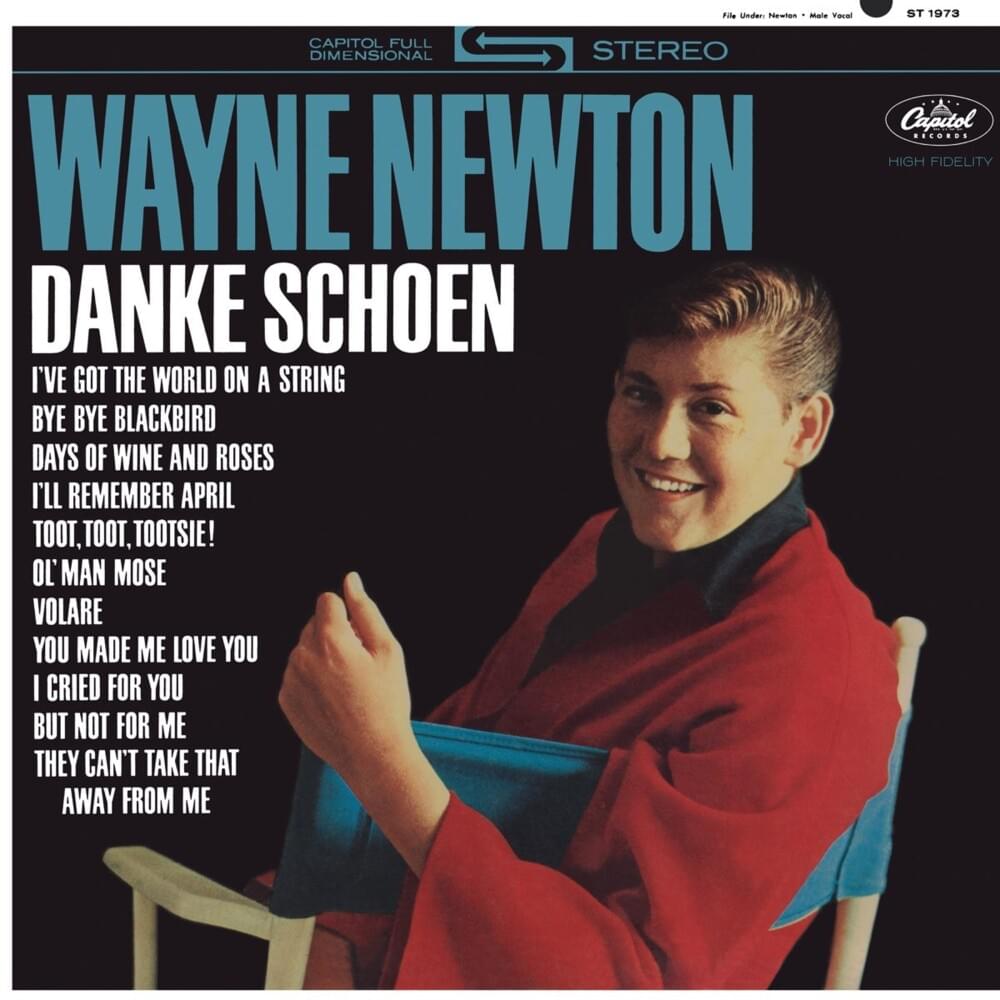
{"song_id": 12912500, "meaning": "Wayne Newton's rendition of \"Days of Wine and Roses\" isn't just a nostalgic waltz; it's a melancholic post-mortem on a love affair, viewed through the hazy lens of time and regret. The titular phrase, \"days of wine and roses,\" immediately conjures an era of carefree indulgence and romantic intoxication. But the lyrics quickly subvert this initial impression, revealing a deeper undercurrent of loss. The laughter and playfulness have vanished, chased away by the stark realization that those idyllic times are irrevocably gone. The carefree days didn't gradually fade; they actively \"laugh and run away,\" personifying the elusiveness of happiness and the cruel swiftness of its departure. The image of a child fleeing towards a \"closing door marked 'nevermore'\" is particularly haunting, suggesting a sense of finality and the crushing weight of irreversible change. The door, significantly, \"wasn't there before,\" highlighting how the end often arrives unexpectedly, shattering the illusion of permanence. Newton's delivery, imbued with a world-weary gravitas, amplifies the song's inherent sadness. It’s the sound of a man looking back, not with fondness, but with the bittersweet acknowledgement of what he has lost. He's not simply remembering good times; he's confronting the void left behind.
The second verse shifts the focus to the present, a \"lonely night\" filled with nothing but fleeting memories. The \"passing breeze\" serves as a metaphor for the ephemeral nature of those recollections – a gentle reminder of a joy that is no longer tangible. The \"golden smile\" that introduced him to those \"days of wine and roses\" haunts his memory, a potent symbol of the love that once was. It's a classic trope – the idealized memory of a lover – but Newton's understated performance keeps it from veering into sentimentality. The repetition of the final lines reinforces the cyclical nature of grief. The past continues to intrude upon the present, trapping him in a loop of longing and regret.
Ultimately, the song's meaning resides in its ability to capture the complex emotions associated with lost love. It's not just about the initial joy and excitement, but also about the subsequent pain of separation and the enduring power of memory. \"Days of Wine and Roses,\" as interpreted by Newton, becomes a meditation on the transient nature of happiness and the inevitable passage of time. The 'wine and roses' represent an unsustainable high, a fleeting moment of perfection destined to end, leaving only the echo of what once was."}
 View Artist