Song Meaning
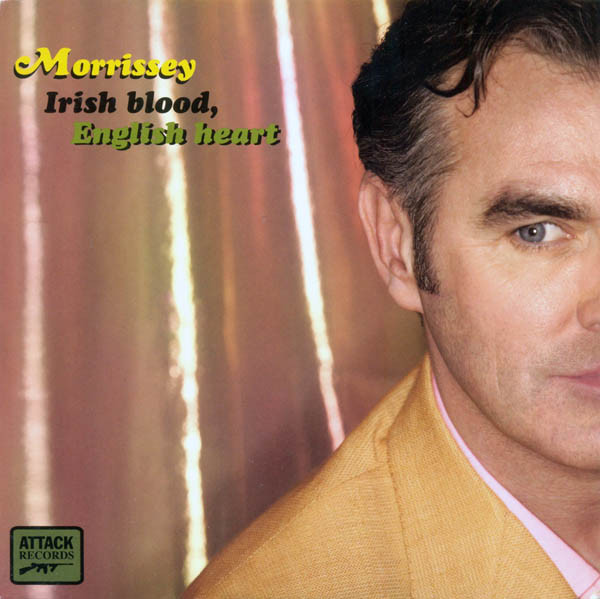
Morrissey's "Irish Blood, English Heart" is less a simple nationalistic anthem and more a barbed critique of contemporary English identity. The song's core lies in its exploration of what it means to be English in a post-colonial, politically fraught landscape. The repeated declaration "Irish blood, English heart, this I'm made of" isn't just a statement of heritage; it's a defiant assertion of a complex, hybrid identity that refuses easy categorization. Morrissey uses this personal declaration as a platform to dissect the anxieties surrounding Englishness itself. He dreams of a time "when to be English is not to be baneful…racist or partial," hinting at a deep-seated discomfort with the negative connotations attached to national pride.
The song meaning extends beyond mere patriotism, delving into political disillusionment. Morrissey's vision includes a rejection of the established political order, expressing a desire for a time when "the English are sick to death of Labour and Tories." This isn't a call for a specific political alternative, but rather a broader rejection of the status quo and the perceived failures of mainstream politics. The pointed reference to Oliver Cromwell, a historically divisive figure in both English and Irish history, adds another layer of complexity. By calling for the denouncement of Cromwell and the royal line that still salutes him, Morrissey challenges the very foundations of English historical identity and its ongoing legacies.
Ultimately, "Irish Blood, English Heart" is a provocative and characteristically Morrissey-esque take on national identity. It's a song about the struggle to reconcile personal heritage with the problematic aspects of national history and contemporary politics. The lyrics analysis reveals a desire for a more inclusive and self-aware English identity, one that acknowledges its past failings and strives for a more equitable future. It's a nuanced and often uncomfortable exploration of what it means to belong, and the responsibilities that come with that belonging.
 View Artist