Song Meaning
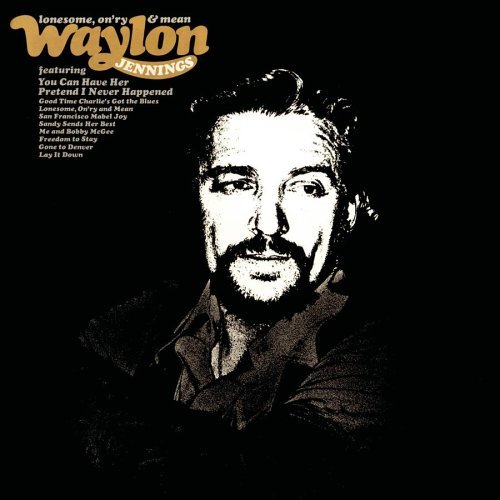
Waylon Jennings's "You Can Have Her" is less a song of romantic dismissal than a stark confession of emotional defeat. The bravado in the chorus—"Well, you can have her, I don't want her"—rings hollow when juxtaposed with the verses detailing a profound sense of betrayal and resignation. It’s a classic country archetype: the man scorned, but Jennings imbues it with a weary vulnerability that cuts deeper than simple heartbreak. The repeated claim of not wanting her feels like a desperate attempt at self-conviction, a psychological defense mechanism against the pain of rejection. The lyrics aren't about empowerment; they’re about the crushing weight of unrequited affection. Jennings isn't celebrating freedom; he's narrating a slow, agonizing emotional collapse. The seemingly off-hand remark, "She only wanted someone to play with / But all I wanted was love to stay," exposes the raw nerve of the song's meaning.
The second verse offers a particularly bleak image of coping: "You just dig a hole and crawl right in it / Then you pull the ground right over you." This isn't about moving on; it's about burying oneself alive under the weight of disappointment. It speaks to a kind of emotional paralysis, a complete surrender to despair. The willingness to metaphorically suffocate rather than face the pain suggests a profound sense of helplessness. It acknowledges the futility of fighting against a love that is not reciprocated, and the destructive impulse to simply withdraw from the world.
Ultimately, "You Can Have Her" is a complex exploration of love's darker side. The final verse provides a glimmer of hope, with the line "confession is good for your soul," suggesting that acknowledging the pain is the first step toward healing. Yet, even that is tempered by the realization that "life without love is mighty empty." The longing for genuine connection outweighs material wealth, revealing a core vulnerability beneath the surface of wounded pride. The song's meaning resides in this tension: the performance of indifference masking a deep, unwavering ache for authentic love.
 View Artist