Song Meaning
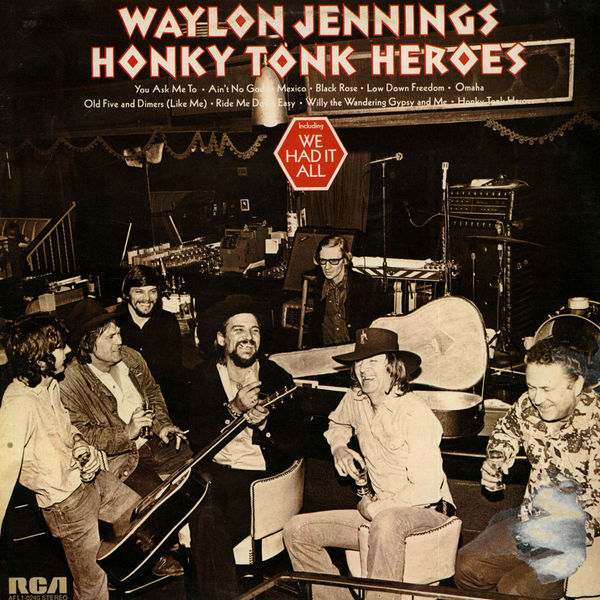
Waylon Jennings' "You Asked Me To" isn't just a country ballad; it's a raw exploration of devotion bordering on self-abnegation. The song meaning hinges on the almost unsettling willingness of the narrator to bend, break, or even obliterate himself at the request of his lover. It's a love that transcends logic, societal expectations, and perhaps even self-preservation. He readily admits he “turned the world all which a way” – a sacrifice of his own stability and perhaps reputation – simply because she asked. The "ol' common labor shoes" suggest a humble background, amplifying the sense of giving everything for love. This isn't the swaggering outlaw country Jennings often embodies; it's vulnerability laid bare.
The brilliance, and the potential darkness, lies in the conditional nature of this devotion. The chorus, with its defiant "Let the world call me a fool," suggests an awareness of the potential for ridicule, but a stubborn insistence that their bond justifies any sacrifice. However, the second verse introduces a chilling twist: “I'd turn and walk away from you / Just because you asked me to.” This isn't just blind obedience; it's a terrifying surrender of agency. The line hints at a deep-seated fear of losing the relationship, acknowledging that even the ultimate act of self-denial – leaving – would be performed if requested.
Ultimately, "You Asked Me To" is less a celebration of love and more a psychological study of its extremes. It's about the dangerous allure of codependency, the blurring of boundaries in a relationship, and the unsettling question of how much one is willing to sacrifice for another's happiness – even if that sacrifice includes their own identity. The final plea, "Lord, I hope you never do," underscores the fragility of this arrangement and the precarious tightrope the narrator walks, forever on the verge of obliteration at the slightest whim of the beloved.
 View Artist