Song Meaning
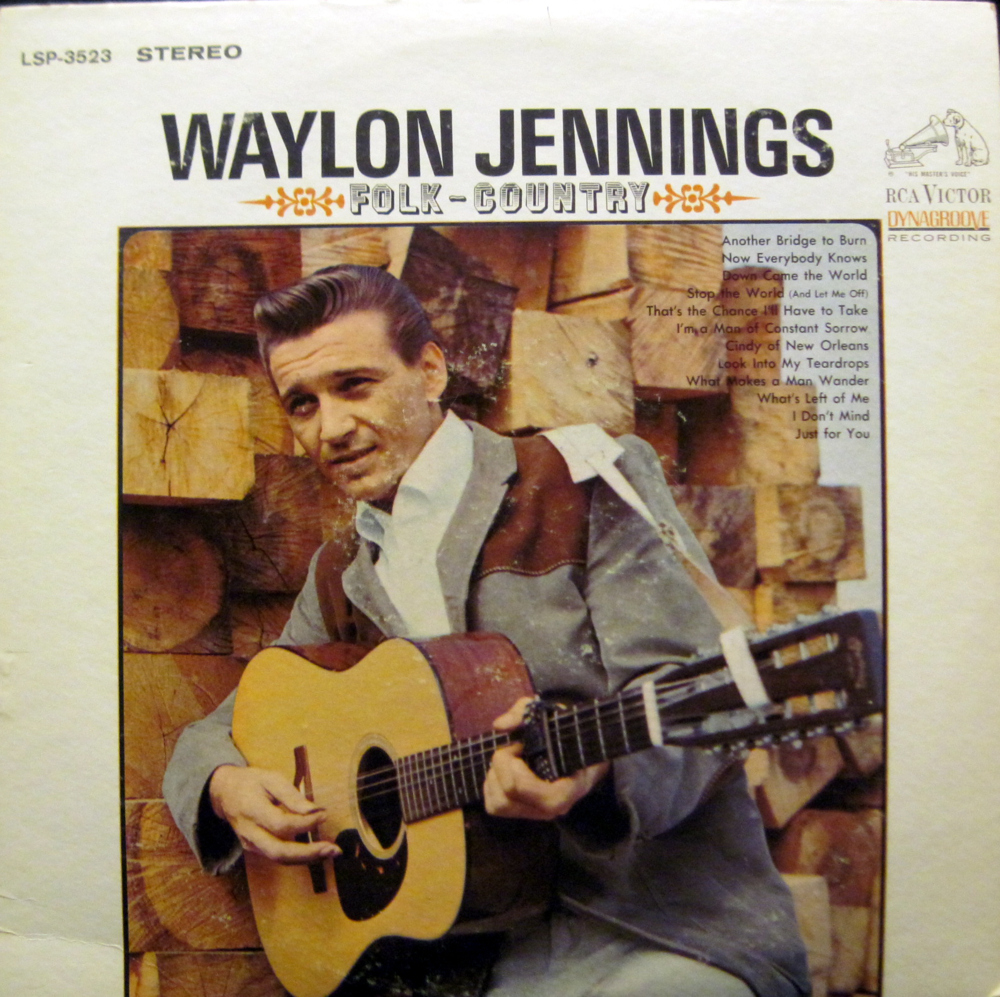
Waylon Jennings cuts to the bone of male restlessness in "Tear My Heart Out," a brutally honest meditation on the push-and-pull between domestic love and the siren song of the open road. This isn't some romanticized outlaw fantasy; it's a raw, almost painful, self-indictment. The cyclical nature of the lyrics – the return, the vow, the inevitable departure – paints a portrait of a man trapped in a behavioral loop, seemingly powerless against the impulse to wander. The repetition of "What makes a man wander" isn't just a rhetorical question, it's a desperate plea for understanding, both from his partner and himself.
The genius of "Tear My Heart Out" lies in its unflinching portrayal of the internal conflict. Jennings doesn't offer excuses or justifications. He acknowledges the depth of his love ("I know I love you as much as I ever could / Love anyone") while simultaneously confessing his inability to stay put. The train whistle, a classic symbol of freedom and escape, acts as a trigger, bypassing logic and heading straight to the primal urges buried deep within his psyche. It's a Pavlovian response to the promise of something new, something beyond the comfort and security of home.
Ultimately, the song's meaning resides in the unresolved tension between love and freedom. It acknowledges that these two fundamental human desires can be tragically incompatible. The title itself, "Tear My Heart Out," suggests the profound guilt and self-loathing that accompany this perpetual cycle of leaving and returning. He recognizes the pain he inflicts, yet remains compelled by an unseen force. It's a bleak, yet deeply relatable, exploration of the darker corners of the male psyche, where the yearning for adventure clashes with the responsibilities of love and commitment.
 View Artist