Song Meaning
Waylon Jennings, the outlaw country icon, strips bare a relationship's unraveling in "De la verde," laying bare the raw vulnerability masked by a tough exterior. This isn't just a lament; it's a warning shot fired across the bow of a love gone astray. The song meaning hinges on a central misinterpretation: the woman in question mistakes Jennings' demonstrated tenderness for weakness, a fatal error in the power dynamics of their relationship. The opening lines, "Honey, how you've changed / It makes me wonder have I ever really known you," speak volumes about a profound disconnect, a creeping realization that intimacy was perhaps an illusion.
Jennings isn't pleading for her to stay, but rather asserting his capacity for strength, a strength born not of aggression, but of self-respect. The lyrics, "I can give you everything / Any other man can give and more," aren't a boast, but a challenge. He's not just offering material possessions, but a depth of commitment that she's too blinded by her own misjudgment to see. It’s a gauntlet thrown down, daring her to recognize the true value of what she's discarding. The repeated chorus emphasizes this central theme, hammering home the idea that kindness and strength are not mutually exclusive, and that underestimating a man's capacity for both can have dire consequences.
The final verse takes a darker turn, hinting at the potentially destructive consequences of her betrayal. The imagery of "walls of stone inside some lonely cell" suggests a willingness to sacrifice his own freedom rather than be stripped of his dignity and love. The line, "no man's going to take the love I own / And never live to tell the tale," is a stark warning, a glimpse into the outlaw spirit that defines Jennings' persona. It's a chilling reminder that beneath the tenderness lies a fierce protectiveness, a refusal to be completely subjugated. "De la verde" isn't just a song about heartbreak; it's a study in the complexities of masculinity, vulnerability, and the potential for both love and wrath when those qualities are misunderstood.
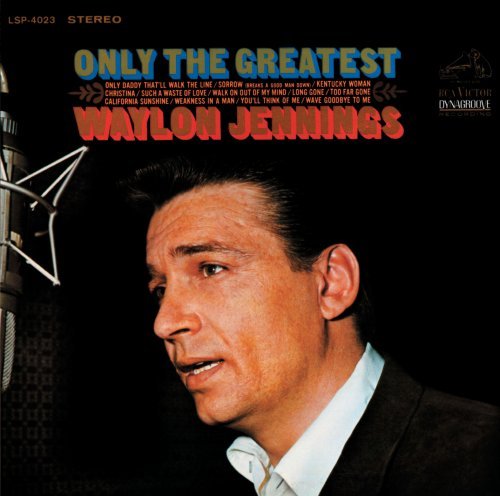
 View Artist