Song Meaning
Waylon Jennings' "This Train (Russel's Song)" isn't just a country shuffle; it's a weary traveler's anthem of self-preservation. The train metaphor, of course, represents a life trajectory, a relationship, or perhaps both intertwined. Jennings, with his signature world-worn drawl, sings of a ride that's become 'just a little too old,' signaling a need for radical change. The opening verse immediately establishes the urgency; this isn't a casual desire for something different, but a necessary escape. The 'gotta' refrain emphasizes the feeling of being compelled to move on, driven by an inner imperative. The song meaning resides in the acceptance that stagnation is a form of slow death.
The lyrics hint at a troubled relationship as a primary catalyst for this departure. The lines directed at the unnamed 'girl' – 'Same ol' trouble you're always puttin' me through' – paint a picture of cyclical conflict and emotional exhaustion. It's not just about blame, though. The narrator also acknowledges his own role ('Same ol' me girl... body and soul'), suggesting a co-dependent dynamic that's spiraling 'out of control.' This self-awareness elevates the song beyond a simple breakup tune; it becomes a statement about breaking free from destructive patterns. The repeated declaration, 'I ain't gonna waste my time here... messin' with you,' is a powerful act of reclaiming agency.
Ultimately, "This Train (Russel's Song)" is about the often-painful but essential act of choosing oneself. The desire to 'find a new way... to live my life' is a universal yearning, particularly resonant in the face of familiar disappointments. The train, initially a symbol of forward momentum, has become a trap. By hopping off and seeking a 'new train,' the narrator isn't just changing scenery; he's attempting to rewrite his own narrative. Jennings delivers this message with a raw honesty that bypasses sentimentality, offering a hard-won truth about the necessity of personal evolution. The slow, inevitable crawl of the 'old' train versus the hope for a faster, more personally aligned journey is a powerful theme.
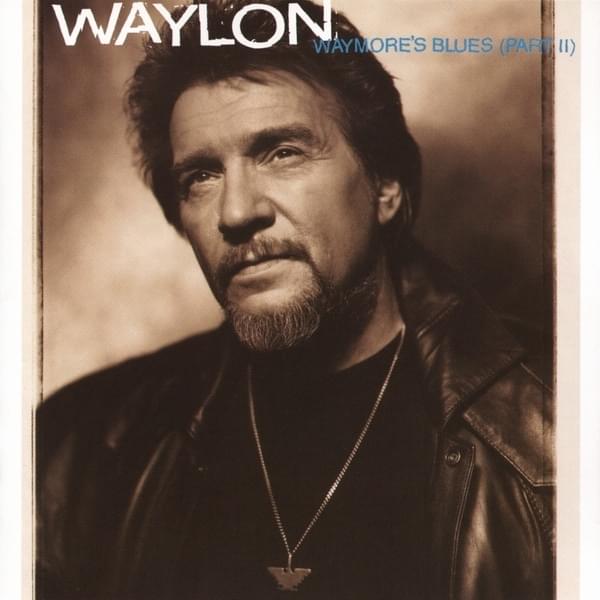
 View Artist