Song Meaning
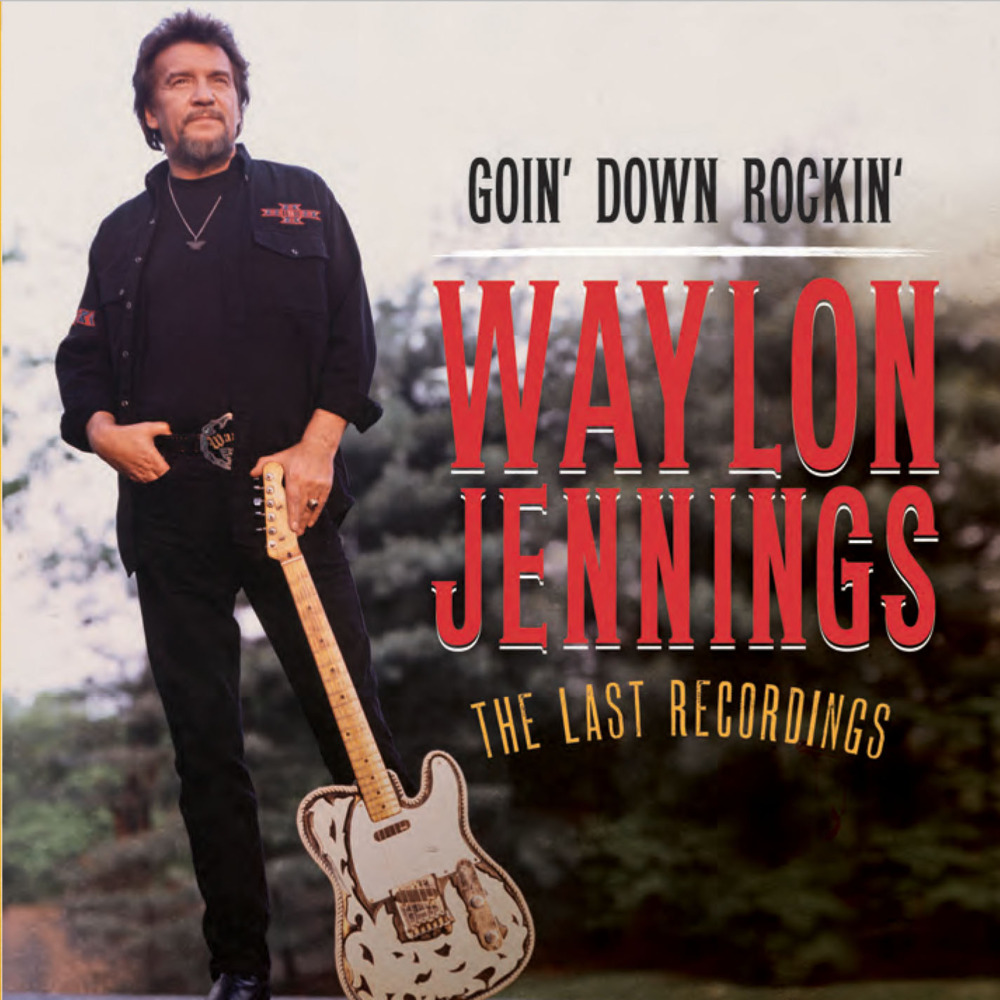
While Waylon Jennings' outlaw country swagger might seem galaxies away from Kim Petras' shimmering pop sensibilities, the raw nerve of disappointment and romantic futility cuts across genres. In "DTLA (Tradução em Português)," the lyrics paint a portrait of unrequited longing, a one-sided affection where the singer confronts the painful reality of being relegated to the friend zone. The repeated lines, "When it comes to our love all hope is gone / I guess a friend is all I meant to be," serve as a stark admission of defeat, a surrender to the unyielding circumstances of the heart. The song's core meaning revolves around the acceptance of a love that simply cannot be, a sentiment that resonates deeply regardless of musical style or cultural context. The Portuguese translation, while adding another layer, ultimately amplifies the universality of heartache.
The lyrics delve into the struggle of trying to ignite a spark that just isn't there. The singer laments the inability to find "the right touch for turning you on / Or the words or the ways that could make you love me." This speaks to the agonizing self-doubt and frustration that accompany unrequited affection, the desperate search for a magic formula that will unlock the other person's heart. It's a familiar tale of misaligned desires, where one person's fervent feelings are met with indifference or, at best, platonic affection. The "DTLA" in the title (assumed to be Downtown Los Angeles), could symbolize the cold, isolating nature of the city, mirroring the singer's emotional isolation.
Beyond the immediate heartbreak, the song touches on broader themes of disillusionment and the often-unfair nature of life. The lines, "The ways of this old world are not always fair / And most things are never what we hope to find," suggest a weary resignation to the imperfections of human connection and the inevitability of disappointment. The phrase "In search of a feeling that never was there / I went out of my way to go out of my mind" speaks to the lengths we sometimes go to chase an illusion, losing ourselves in the pursuit of something unattainable. This lyrical analysis reveals a poignant exploration of love, loss, and the acceptance of a reality that falls short of our desires, themes that are both timeless and universally relatable.
 View Artist