Song Meaning
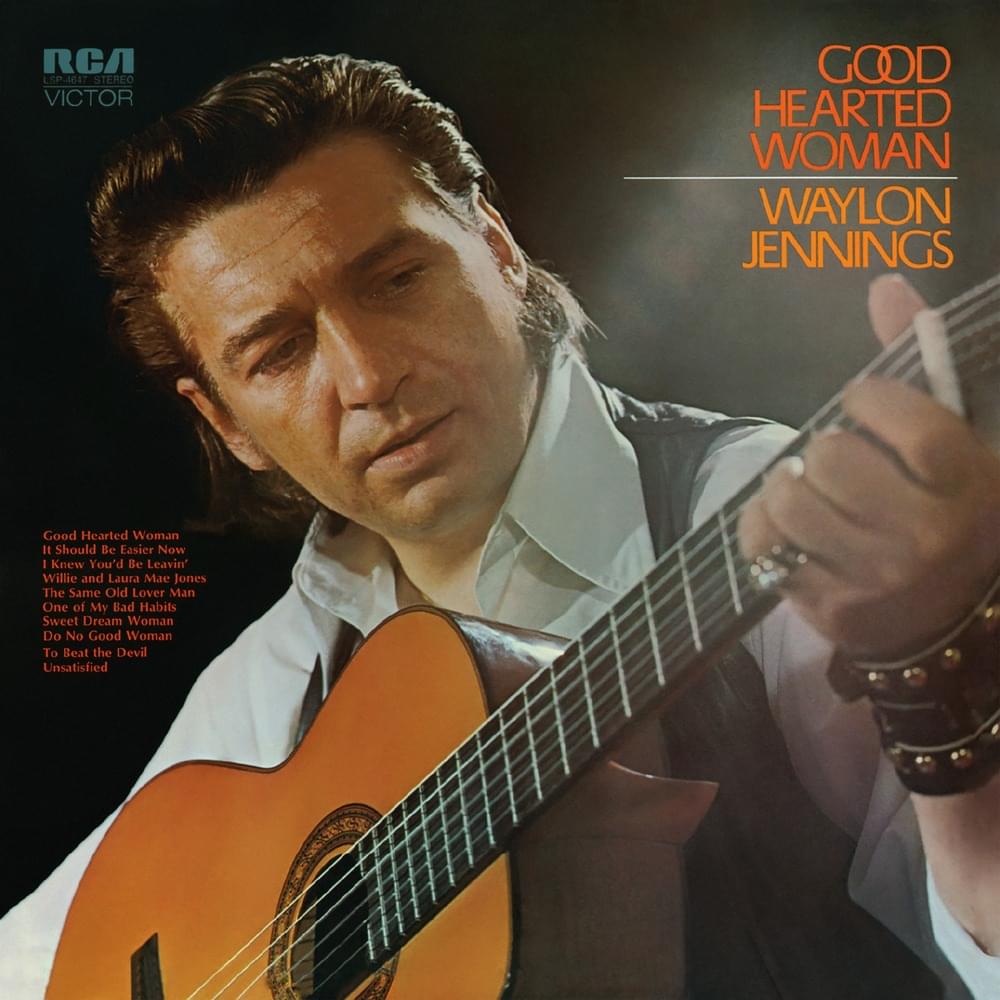
Waylon Jennings' "The Same Old Lover Man" isn't just a country ballad; it's a raw, almost desperate plea from a man haunted by his past actions and the consequences they wrought. The recurring phrase, "the same old lover man," becomes a chilling mantra, an admission of unchanging character rather than a nostalgic embrace of former self. He's not offering comfort or romance; he's offering a known quantity of heartache, a self-awareness that's both brutally honest and deeply unsettling. The genius of the song lies in its subversion of the expected tropes of country music.
The lyrics hint at a fractured relationship, a return to a scene of previous discord. The line, "I hear no children's voices, have they gone back to school," is particularly loaded, implying a disruption of family life, perhaps even a contributing factor to the children's absence. He acknowledges his foolishness, yet seems incapable of change. The insistence that he was "born to believe, I never could deceive" is immediately undercut by the admission in the final verse: "Yes, I was born to bring a grief." This contradiction reveals a man wrestling with his own nature, perhaps attempting to justify his actions while simultaneously recognizing their destructive impact.
Ultimately, "The Same Old Lover Man" is a study in self-destructive patterns and the lingering pain they inflict. It's a song about a man who understands his flaws but is powerless to overcome them, a haunting portrait of a relationship defined by cyclical behavior and the acceptance of inevitable sorrow. The cold outside, the wild night, are not external threats but metaphors for the emotional turmoil that defines his presence—a storm he brings with him, a burden he asks her to share once more.
 View Artist