Song Meaning
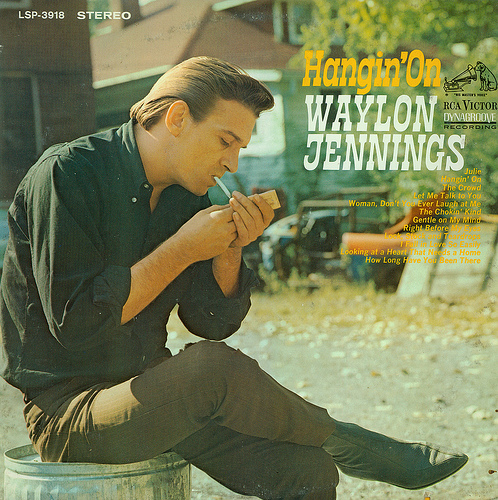
Waylon Jennings' "The Crowd" isn't just a country lament; it's a study in loneliness performed on a societal stage. The song dissects the chasm between outward performance and inner turmoil, a theme Jennings often navigated with rugged honesty. The initial image of 'going out with the crowd' immediately establishes a sense of obligation, a forced participation in social rituals. But the joy is absent. The 'heart of the crowd is gone,' suggesting a deeper connection is missing, a void only amplified by the singer's personal loss. He's present, but not engaged, a ghost in the machine of social life. The lyrics paint a picture of someone going through the motions, desperately trying to recapture a lost joy by immersing himself in a world that no longer holds the same meaning without a specific someone.
The memories of past dances and 'crazy things' serve as a stark contrast to the present emptiness. These flashbacks aren't just nostalgic; they highlight the authenticity of the lost relationship. The 'hideaway' represents a space of genuine connection, a sanctuary now inaccessible. This emphasizes the isolating nature of grief, the feeling of being trapped in a world that constantly reminds you of what you've lost. The repetition of 'run back to me' underscores the desperation and the clinging hope that defines the song's emotional core.
Ultimately, "The Crowd" reveals the psychological weight of performing happiness while internally crumbling. It's a poignant exploration of how personal loss can transform the familiar into the alien, turning social gatherings into painful reminders of absence. Jennings captures the universal experience of navigating grief within a social context, a performance of normalcy masking a profound and personal pain. The 'crowd of make believe' becomes a symbol of the artificiality of life without true connection, a stark reminder of the irreplaceable bond that has been severed.
 View Artist