Song Meaning
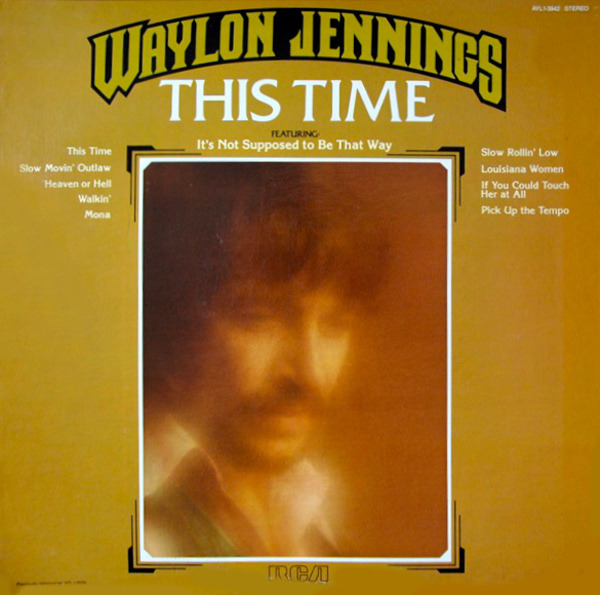
Waylon Jennings' "Slow Movin' Outlaw" isn't just a country lament; it's a poignant elegy for a fading way of life. The song’s core resonates with a deep sense of displacement, portraying a figure caught between a romanticized past and an encroaching, rapidly changing present. Jennings uses vivid imagery to depict this transition: "old stations are being torn down," "high flying trains no longer roar," signaling the obsolescence of familiar landmarks and traditions. The outlaw, once a symbol of freedom and rebellion, now finds himself adrift, his quick-draw skills irrelevant in a world that no longer values his particular brand of rugged individualism. The constant repetition of "Where has a slow moving, once quick draw outlaw got to go?" underscores this existential question. It is a cry for belonging and purpose in a society that seems to have moved on without him.
Beyond the personal, "Slow Movin' Outlaw" touches on broader themes of environmental degradation and societal transformation. The whiskey, once a source of comfort, now tastes "so faint," mirroring the diminishing appeal of past indulgences. Memories, initially comforting, return with a sharper, almost painful clarity. The women who once offered warmth now appear "haggard and old," a reflection of the wear and tear of time and change. Crucially, the land itself bears "scars on her face," a powerful metaphor for the environmental cost of progress. Jennings isn't necessarily condemning progress outright; rather, he expresses a longing for a more measured approach: "I just wish they're taking it slow." This desire for a gentler evolution speaks to a deep-seated fear of losing the natural beauty and slower pace that defined a bygone era.
The song's genius lies in its ability to blend personal and societal anxieties. The outlaw's plight becomes a microcosm of a larger cultural shift, reflecting a sense of loss and disorientation felt by many in the face of rapid modernization. It's a song about the bittersweet ache of nostalgia, the struggle to adapt, and the quiet rebellion against a world that seems determined to leave tradition behind. Waylon Jennings, through his signature baritone and honest storytelling, captures the essence of a man grappling with his own obsolescence in a world that no longer has a place for him, or so he feels. The song meaning is a meditation on time, change, and the enduring search for belonging.
 View Artist