Song Meaning
Waylon Jennings' "Midnight Rider" is less a song than a primal scream echoing from the American underbelly. It's a portrait of desperation painted in stark, economical strokes. The lyrics offer no backstory, no crime, no specific pursuer – only the relentless forward motion of a man driven by an unseen force. The repeated phrase, "I gotta run to keep from hiding," suggests a profound existential dread, a fear not just of capture, but of being trapped within oneself. The 'midnight rider' isn't just fleeing the law; he's running from his own shadow. The recurring motif of 'one more silver dollar' serves as a poignant reminder of dwindling resources – both material and psychological. It's a stark symbol of hope fading, a last vestige of autonomy in a world closing in.
The beauty, or perhaps the horror, of "Midnight Rider" lies in its ambiguity. What exactly is he running from? Is it societal pressure, personal demons, or a combination of both? The song wisely avoids specifics, allowing listeners to project their own anxieties onto the narrative. The borrowed clothes and endless road underscore a sense of displacement and impermanence. He's become a ghost in his own life, stripped of identity and tethered only to the immediate need for escape. The assertion, "I've gone by the point of caring," hints at a profound emotional exhaustion, a numbness born of constant flight.
Ultimately, the song meaning of "Midnight Rider" transcends the literal chase. It's a commentary on the human condition, the inherent tension between freedom and constraint. The 'midnight rider' embodies the outlaw spirit, the refusal to be confined by societal norms or expectations. But it also reveals the heavy price of that freedom – the loneliness, the instability, and the constant fear of being caught. The genius of Waylon Jennings' interpretation lies in his ability to convey both the exhilaration and the agony of this perpetual escape, leaving us to ponder the true cost of running from ourselves.
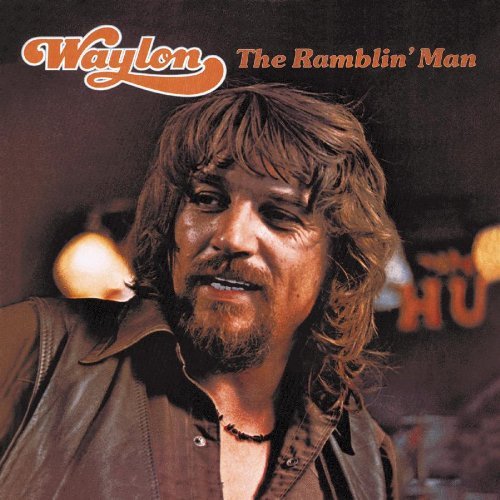
 View Artist