Song Meaning
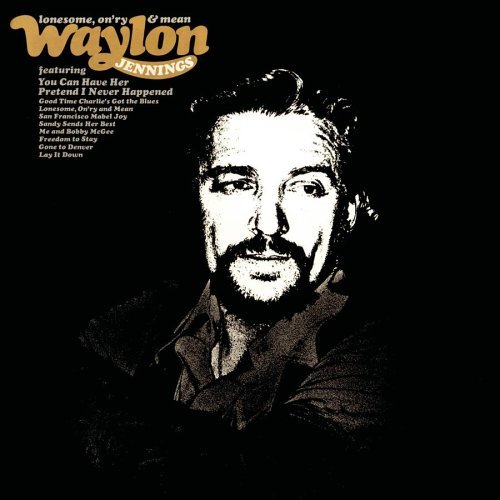
Waylon Jennings' "Lonesome, On'ry and Mean" isn't just a song; it's a confession etched in the grit of a life lived outside the lines. The opening verse, placing the narrator on a Greyhound bound for Shreveport and New Orleans, immediately evokes a sense of perpetual motion, a restless spirit chasing something just beyond the horizon. He's not just traveling geographically; he's navigating the internal landscape of a man who's chosen his own path, consequences be damned. That 'my way' ethos, however, comes at a steep price: the loneliness, the orneriness, the meanness that cling to him like a shadow.
The introduction of 'Codeine,' a woman with 'jet black' hair and dreams of Basin Street grandeur, adds another layer to the song's exploration of self-destructive tendencies. She, too, is caught in a cycle of chasing a fleeting high, a 'smoky wine dream' that ultimately leaves her feeling just as empty and embittered. The shared experience of lonesomeness becomes a twisted point of connection. They find solace, however temporary, in their mutual dissatisfaction. This verse serves as a stark reminder that even in the pursuit of pleasure or escape, the human condition often circles back to a fundamental sense of isolation.
The imagery in the third verse, where they 'cashed in our sweeps' and gave the money to a mumbling beggar, is particularly striking. It suggests a rejection of conventional success, a deliberate act of defiance against a world that demands conformity. Yet, even in this act of supposed generosity, there's a hint of desperation, a futile attempt to escape the 'snowy white dreams' that haunt them. The final verse, a plea to the 'Lord of my soul,' reveals a vulnerability beneath the hardened exterior. Down in the valley, where the 'wheels turn so low,' the narrator finally acknowledges his weariness, his longing for redemption. It's a powerful moment of self-awareness, a recognition that the lonesome, ornery, and mean existence he's embraced has ultimately left him yearning for something more.
 View Artist