Song Meaning
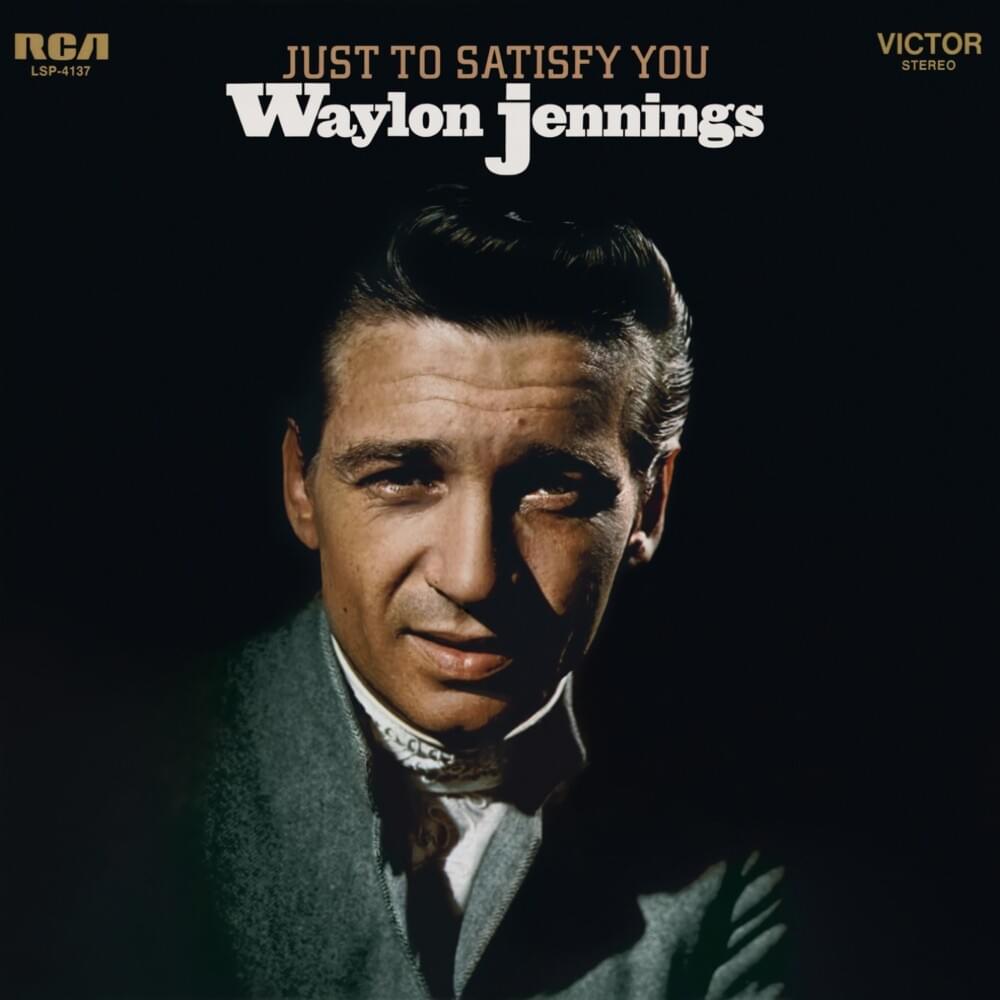
Waylon Jennings, the outlaw country icon, strips bare the bittersweet realities of parenthood and fractured love in "For the Kids." It's a deceptively simple song, a post-mortem on a marriage sacrificed at the altar of parental duty. The repeated refrain, "for the kids," becomes a haunting mantra, a justification for choices that ultimately wound all involved. Jennings doesn't shy away from the collateral damage; the lyrics acknowledge the fading love, the unspoken resentment, and the "curse" of divorce. Yet, there's a stoic acceptance, a recognition that sometimes the most loving act is also the most painful. The rawness of the sentiment is classic Jennings, eschewing sentimentality for unflinching honesty.
"These teardrops that fall for the kids/You know they're really not all for the kids" is arguably the song's most emotionally resonant line. It acknowledges the self-deception inherent in the narrative, the way we cloak personal pain in the guise of altruism. The song recognizes the complex interplay of motivations, the blurring lines between selflessness and self-preservation. The final verse offers a bittersweet hope, a wish for the ex-partner to find happiness and for the children to be loved. But even here, a threat underlies the sentiment: "if he don't treat them right/I'll be right back and I'll fight for the kids." That primal protectiveness, that willingness to return from the shadows, underscores the enduring power of parental love, even in the face of heartbreak.
Ultimately, the song's meaning isn't about celebrating sacrifice; it's about grappling with the messy, often contradictory emotions that arise when love and duty collide. It's a portrait of flawed individuals doing their best, navigating the wreckage of a broken relationship with the children's well-being as their compass. The final lines, referencing the lost home and shared prayers, linger with a sense of irretrievable loss. Waylon Jennings delivers a tough message here: even the best intentions can leave scars, and the love "for the kids" can sometimes be a double-edged sword.
 View Artist