Song Meaning
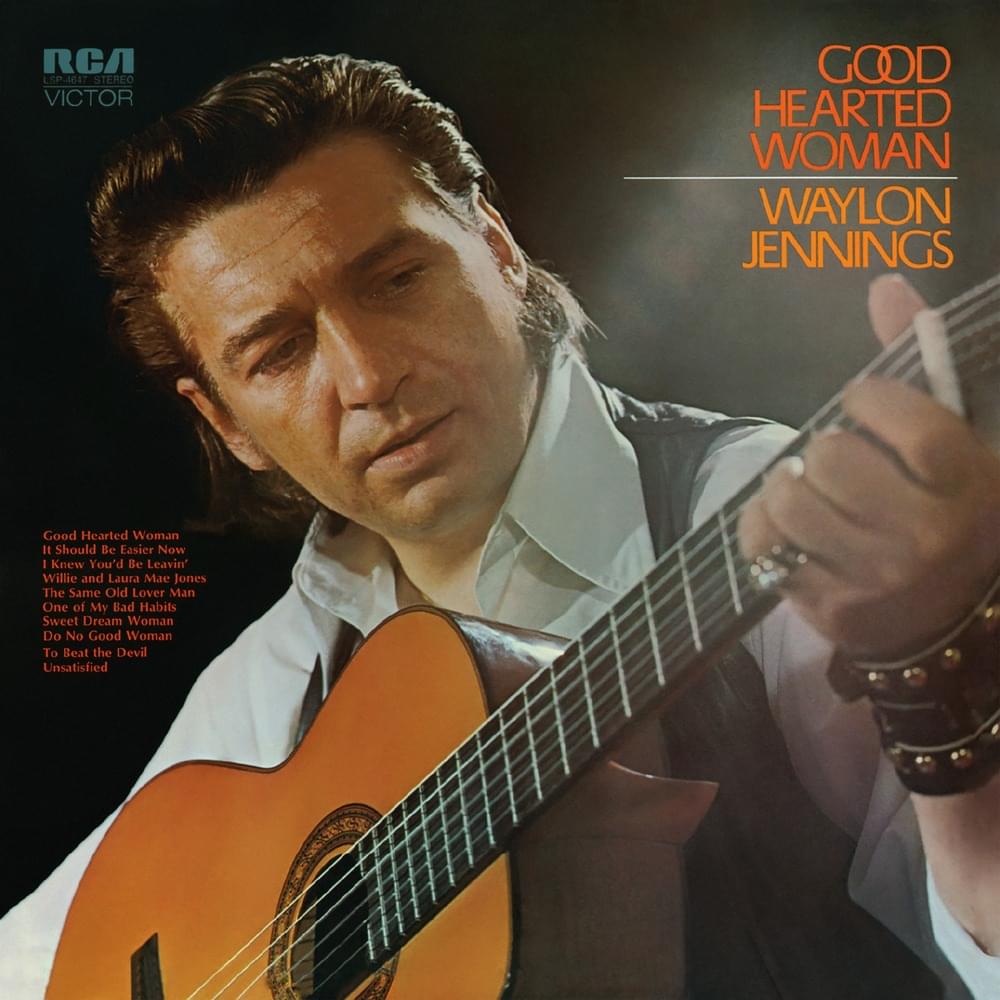
Waylon Jennings' "Do No Good Woman" isn't just another country lament; it's a stark, psychologically raw portrait of obsession. The song meaning is embedded within the complex relationship between memory, desire, and self-destruction. Jennings isn't singing about a fleeting romance, but rather a haunting, formative experience that has calcified into a permanent fixture of his psyche. He’s "living in the wrong time," trapped in a past dominated by this woman, suggesting an inability to move forward emotionally. This isn't simply regret; it's a form of arrested development, where the past continuously eclipses the present. The "do no good woman" becomes a symbol of a love that simultaneously enthralls and destroys. She's not just a bad partner; she's the embodiment of a self-inflicted wound. The song's insistence that she's both his "first one and my last" points to the way she has ruined his ability to love again.
The lyrics reveal a man acutely aware of his own self-sabotage. He attempts to "paint her picture in a song," yet the only words he can muster are "do no good woman I love you right or wrong." This isn't romantic devotion; it's a compulsion. The blues he sings aren't just about heartbreak; they're about the inability to escape a destructive pattern. The geographical reach of his longing – "From the streets of New Orleans to a Panthouse in Chicago" – underscores the pervasiveness of this woman's hold on him. No matter where he goes, he's haunted by her memory, unable to fully connect with anyone else.
The final verse delivers the most devastating blow. Jennings acknowledges that he's "seen my better days," and the line "I never thought that love could drive a good man too insane" is a chilling admission of the psychological toll this relationship has taken. The concluding question, "Lord why you ever done girls," is not just a lament about this specific woman, but a broader existential crisis. It's a questioning of fate, a desperate plea for understanding in the face of emotional ruin. "Do No Good Woman" transcends the typical country ballad, transforming into a profound exploration of how past traumas can shape and ultimately define a life.
 View Artist