Song Meaning
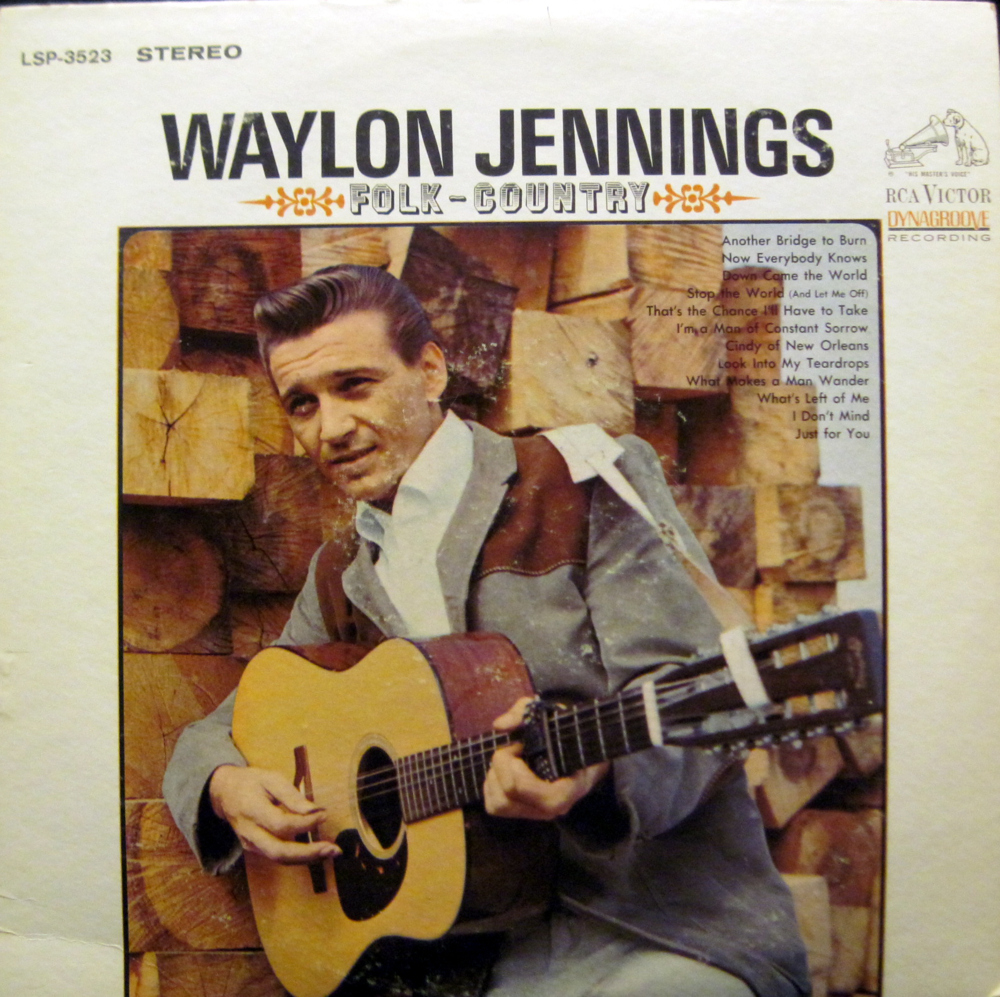
Waylon Jennings' "Cindy Of New Orleans" is a masterclass in country music heartbreak, a slow-burning tragedy painted with the stark simplicity of a folk ballad. The song’s power lies not in complex metaphors, but in its direct, almost reportorial delivery of Jim’s devastating betrayal. The initial verses establish an idyllic, small-town romance: riverside dates, wedding plans timed to the spring thaw, and the promise of a shared future in the vibrant city of New Orleans. The repeated line, "And Jim would take Cindy to see New Orleans," becomes a poignant symbol of their shattered dreams, a promise forever deferred. New Orleans, initially a beacon of hope and shared ambition, is subtly transformed into a symbol of Cindy's betrayal, a siren song that lured her away from Jim's honest affections. It represents the allure of a grander, perhaps more superficial, existence.
The introduction of the riverboat gambler acts as a catalyst, a serpent in their Eden. His "sweet words and lies" are enough to shatter Cindy’s commitment, suggesting a vulnerability or perhaps a naive yearning for something more exciting than Jim’s simple love. The gambler's promise of royalty – "come with me and you'll be a queen" – highlights the stark contrast between Jim's modest aspirations and the gambler's manipulative charm. The song never explicitly condemns Cindy, but the listener is left to grapple with the consequences of her choice.
The final verses cement the tragedy. Jim, forever frozen in time, becomes a spectral figure haunting the riverbank, his hope unwavering despite the years. The recurring image of the river and the boats serves as a constant reminder of Cindy’s departure. The mention of her letter, promising a return with the spring, adds a layer of agonizing ambiguity. Is it a genuine intention, or just a cruel, empty gesture? The repetition of Jim waiting for Cindy to see New Orleans underscores the song's central theme: the enduring power of hope in the face of crushing disappointment, and the devastating consequences of broken promises. Waylon Jennings doesn't offer easy answers or moral judgments, but rather presents a portrait of human fallibility and the enduring ache of lost love.
 View Artist