Song Meaning
The narrator admits calling someone was a mistake, a realization that hits hard because they knew their own intentions. The lingering feeling of being "in your space" suggests a recent, perhaps intense, connection that continues to haunt them. This internal conflict fuels a loop of self-recrimination, as they "cannot stop myself from thinking / Of all the ways I'm wrong." The lyrics grapple with the painful truth that some clichés hold weight, and the narrator feels they are proving this point through their own actions.
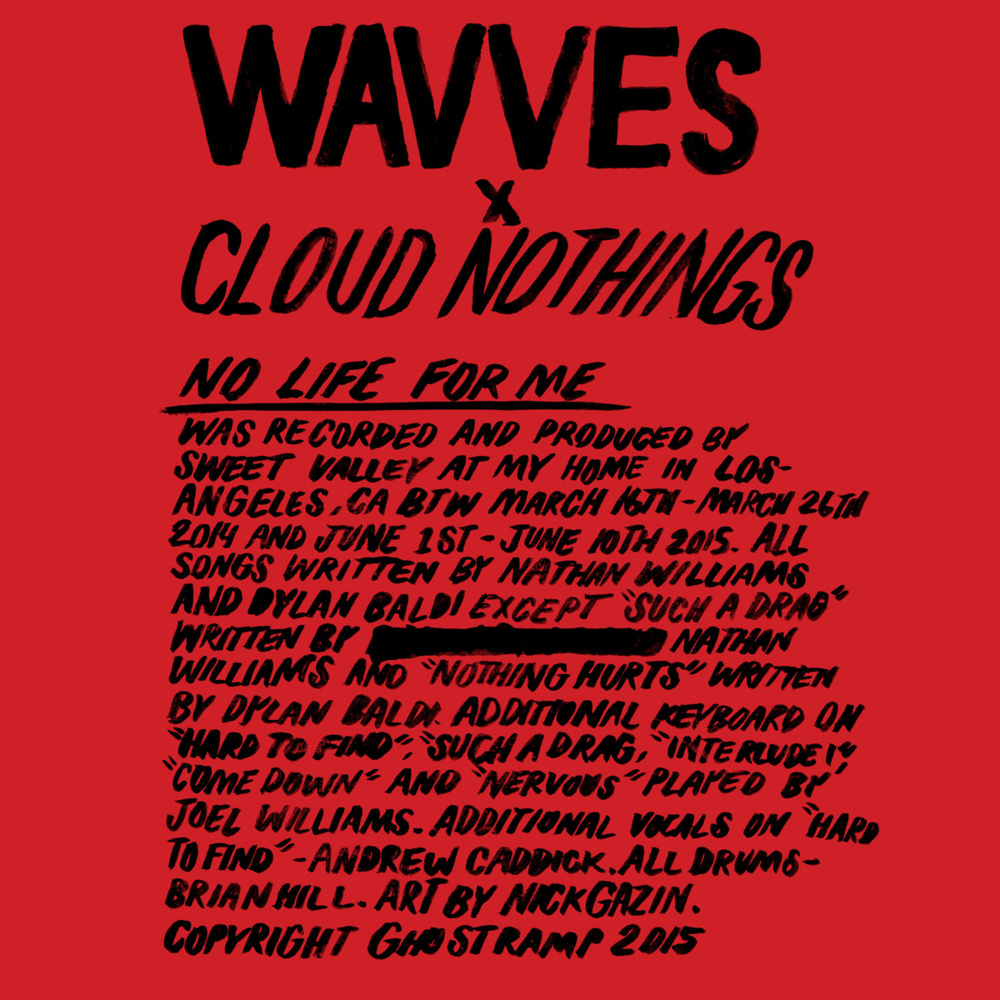
The central tension lies in the narrator's struggle to convince themselves that they are unaffected. They try to assert that "nothing hurts" and that the other person can't possibly be thinking of them. However, this internal monologue feels like a desperate attempt to rationalize a painful reality, especially when juxtaposed with the admission that they "want more than you." The effort to force understanding and the implied struggle of the other person ("you're struggling") highlight the futility of their self-deception.
The most striking aspect is the cyclical nature of the narrator's thoughts and the stark contrast between their internal denial and external actions. The repeated phrase, "I feel it every day," directly contradicts the assertion that "nothing hurts." This creates a powerful sense of cognitive dissonance, where the narrator is acutely aware of their pain but simultaneously tries to suppress it. The line "There's truth to some cliches / I prove they're all the same" suggests a resignation to a predictable, painful outcome, a self-fulfilling prophecy of heartbreak.
Ultimately, these lyrics resonate because they capture the raw, messy process of dealing with unrequited feelings or a failed connection. The narrator's internal battle, their inability to stop replaying mistakes, and the acknowledgment of their own wrongdoing make the emotional weight palpable. The eventual declaration, "I move ahead each day / And I will not be the same," offers a glimmer of hope, but it's framed by the preceding turmoil, suggesting that this change comes at a significant cost.