Song Meaning
The lyrics paint a picture of a departure, not just from a physical place, but from a shared history and identity. The opening questions, "How will they know / The trouble we've seen?" immediately establish a sense of legacy and the fear of being forgotten. This isn't just about moving houses; it's about leaving behind a narrative that feels significant to the speakers, a narrative that might vanish with their physical presence. The feeling is one of reluctant exit, like a "half-hearted kiss" that lacked genuine intention, suggesting a departure that feels incomplete or even forced.
There's a palpable tension between the desire to preserve memories and the practicalities of leaving. The unread books on the shelf and the decision to "give up the heirloom" point to abandoned aspirations and sentimental possessions that can't make the journey. This act of relinquishing cherished items, especially through intermediaries like "a friend of a friend," underscores a sense of detachment and perhaps a quiet resignation. The repeated refrain, "Neighborhood name," acts as an anchor, a constant reminder of the place and its enduring identity, even as the inhabitants prepare to leave.
The imagery shifts to a more active, almost destructive impulse in the third verse. The idea of taking things "down / To the shadowy lake" along with "things we wanted to bring / Wouldn't fit in the van" suggests a purging or a disposal of what cannot be carried. It’s a stark contrast to the earlier sentimentality, hinting at a complex mix of regret and a need to simplify before moving on. This act of deliberate erasure, even of things they wished they could keep, adds a layer of melancholy to the departure.
The final verses circle back to the initial anxieties, posing questions about the newcomers and the potential erasure of their past. "What are they charging / The kids moving in?" implies a concern about how the new generation will perceive or inhabit the space. The ultimate fear is articulated in the outro: "Everything's changed / But the neighborhood name." This suggests that while the physical structures and the name might persist, the essence of their shared experience, their "trouble we've seen," risks being lost, leaving only a hollow shell of memory.
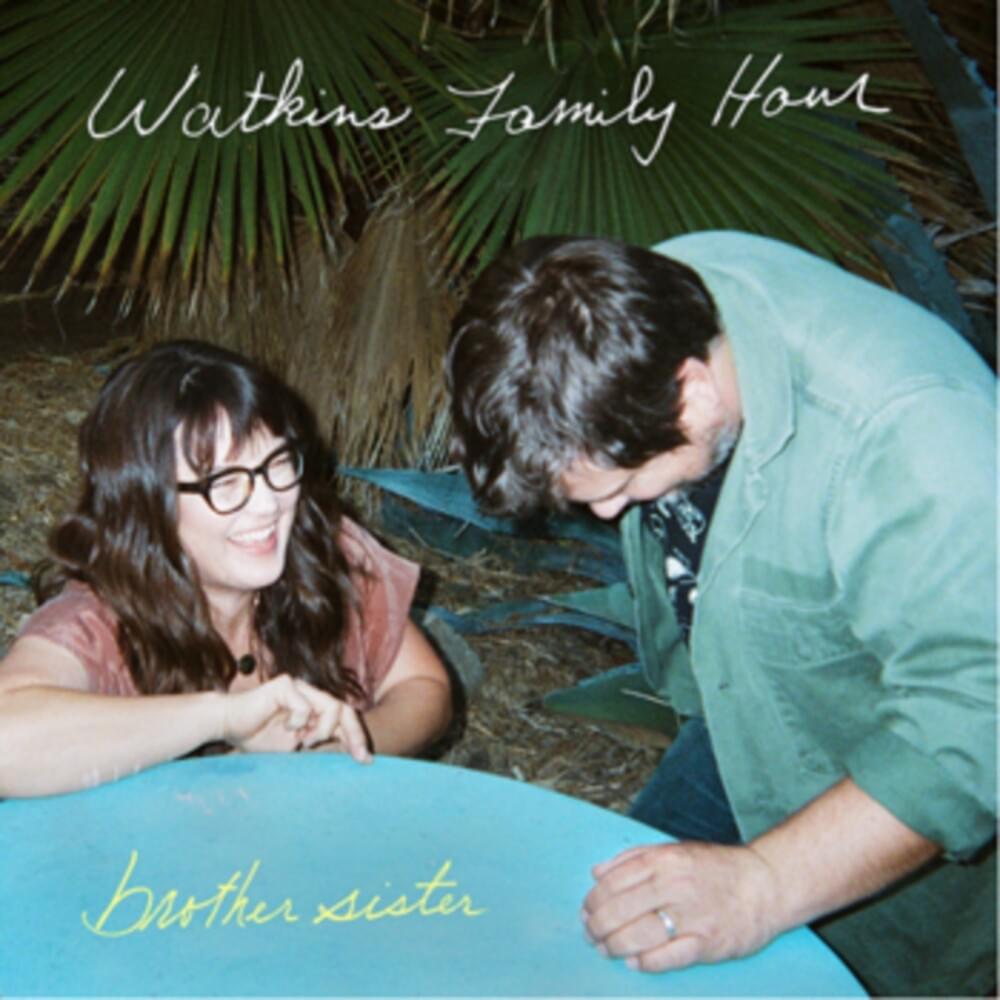
 View Artist