Song Meaning
“Dog Eaten” opens with a jarring contrast: the narrator dreams of “tender-hearted girls” and a “world without end” in the quiet dawn. But this peaceful vision is shattered by a quiet, intimate betrayal. While he sleeps, his father takes money from a “dog-eaten wallet” the father himself had given him. This immediate tension sets a tone of lost innocence and quiet disillusionment.
The lyrics quickly pivot to a profound sense of fatalism, encapsulated in the lines “Our blood is our own / But it does what it pleases.” This suggests an inescapable nature, perhaps an inherited burden or a lack of agency over one's own destiny. The narrator feels perpetually in motion yet never truly arriving, lamenting, “I'm alive on the highway / Dead on arriving.” It's a stark image of a life lived in transit, where every destination feels like an end, not a beginning.
Even moments of potential solace are tinged with this pervasive emptiness. A scene on a “Mexican blanket” with a carillon and some roses paints an idyllic picture, yet the narrator immediately identifies as “an owl's ghost / Who died on the side of the road.” This powerful self-description transforms him into an observer of his own life, already departed, unable to fully inhabit the present. The brief intimacy of a head on his shoulder and a nibbled earlobe is then starkly dismissed with “And that was about all,” reinforcing a sense of unfulfilled connection.
The repetition of the “blood” and “highway” refrain, shifting from “Our blood” to “My blood,” intensifies the personal weight of this existential weariness. It underscores a cyclical pattern of disappointment and detachment. The lyrics effectively use these recurring motifs and sharp contrasts—dreaming versus betrayal, idyllic setting versus ghostly presence—to evoke a deep-seated resignation.
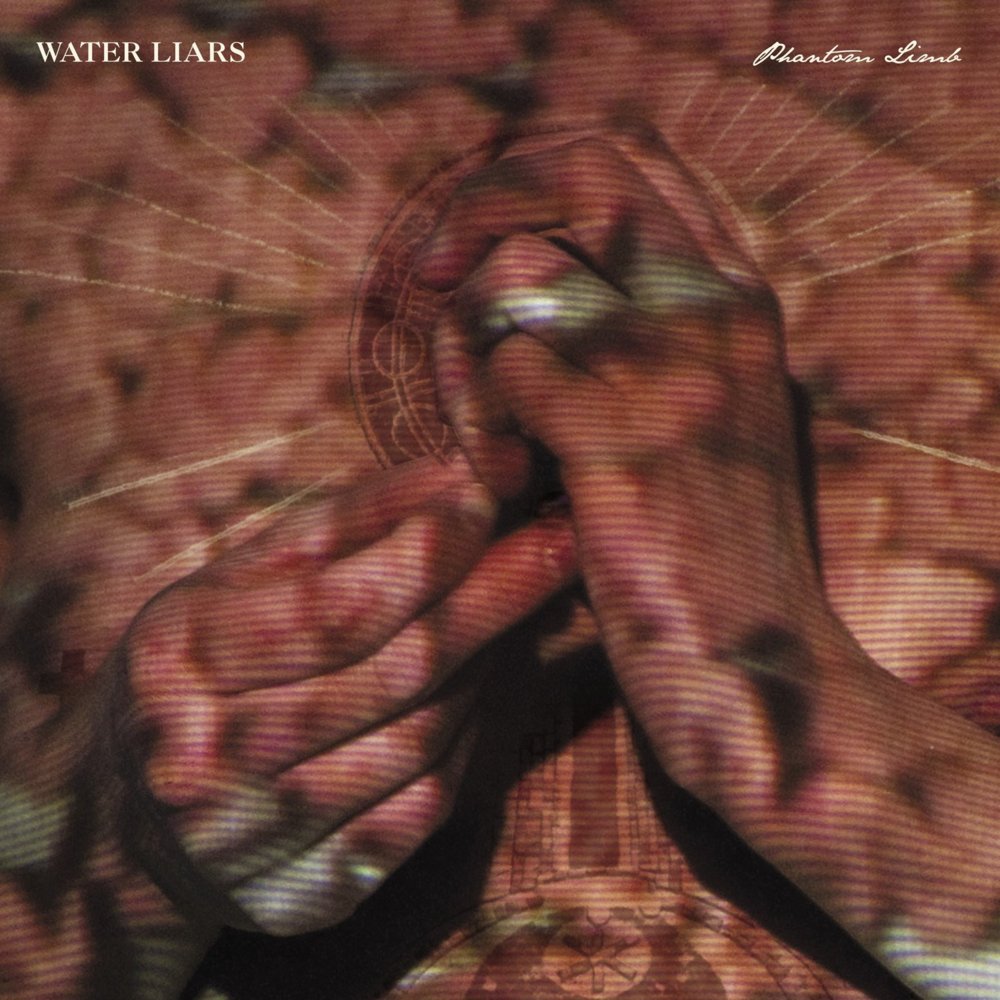
 View Artist