Song Meaning
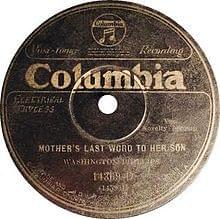
{"song_id": 13943620, "meaning": "Washington Phillips' \"Mother's Last Word To Her Son\" isn't just a sentimental farewell; it's a starkly pragmatic survival guide cloaked in maternal love and gospel fervor. Phillips, through the imagined voice of a mother, lays bare the perils awaiting a young man venturing into a world saturated with \"old sin and woe.\" The surface message is simple: remember Jesus. But scratch a little deeper, and you find a complex understanding of psychological resilience. The mother isn't naive; she knows \"you may not be able to get back home.\" The comfort she offers isn't a promise of earthly ease, but a spiritual anchor against inevitable hardship. This is the core of the song's meaning.
The brilliance lies in the mother's almost clinical assessment of the world's dangers. It's not enough to simply avoid sin; the mother anticipates trouble. \"You get in trouble now, he'll meet you there,\" she sings, acknowledging the inevitability of mistakes. This isn't a fire-and-brimstone sermon; it's a lesson in emotional regulation. By framing faith as a constant presence, even in moments of failure, the mother instills a sense of self-compassion. She acknowledges the son's \"wandering mind\" and urges him to \"accept the way,\" suggesting an acceptance of human fallibility as a path to eventual redemption. This acceptance is key to understanding the song's deeper psychological undercurrents.
Ultimately, \"Mother's Last Word To Her Son\" transcends its gospel roots. It's a profound exploration of how love, faith, and self-acceptance can function as bulwarks against a world determined to grind you down. Washington Phillips delivers a message not just of religious salvation, but of psychological survival, offering listeners a roadmap for navigating the complexities of life with both hope and a clear-eyed understanding of its inherent struggles. It's a tough love message, delivered with the tenderness only a mother's voice can truly convey, ensuring the song meaning resonates far beyond its original context."}
 View Artist