Song Meaning
Washed Out's "Too Late" dives headfirst into the anxious exhilaration of a fleeting connection, that breathless moment when possibility hangs thick in the air. The song meaning isn't about a grand, sweeping romance, but rather the urgent question of whether a genuine spark can ignite and sustain itself within the confines of a single night. It captures the universal fear of missed opportunities, that nagging "what if" that lingers after a chance encounter. The protagonist is caught in a whirlwind of infatuation, grappling with the speed and intensity of their feelings. The repeated question, "Is it too late to fall in love tonight?" isn't necessarily a literal query, but rather an expression of vulnerability and a desperate hope that the shared feeling is mutual and not bound by the constraints of time.
The lyrics paint a vivid picture of an impromptu meeting, fueled by shared glances and a palpable sense of anticipation. There's a raw honesty in the admission of initial shyness, quickly overcome by the undeniable pull of attraction. The simple act of asking for a light becomes a catalyst, a subtle invitation into a shared space. The phrase "our night's not over yet" serves as both a promise and a plea, a desire to prolong the magic and explore the uncharted territory of this burgeoning connection. The bridge introduces a sense of urgency, acknowledging the inevitable approach of dawn and the potential end of their ephemeral bubble.
The chorus amplifies the central theme: the intoxicating, almost reckless abandon of falling hard, fast. The line "Can't believe how fast the sparks can fly / When the stars align" speaks to the serendipitous nature of the encounter, a feeling that the universe has conspired to bring these two people together. But even within this euphoric moment, there's an undercurrent of anxiety, a fear that this fleeting connection might be just that – fleeting. Washed Out masterfully encapsulates the bittersweet beauty of these transient moments, leaving the listener to ponder the delicate balance between impulsive desire and the relentless march of time. The song's power lies in its relatability, tapping into our collective yearning for connection and the universal fear of letting something special slip away.
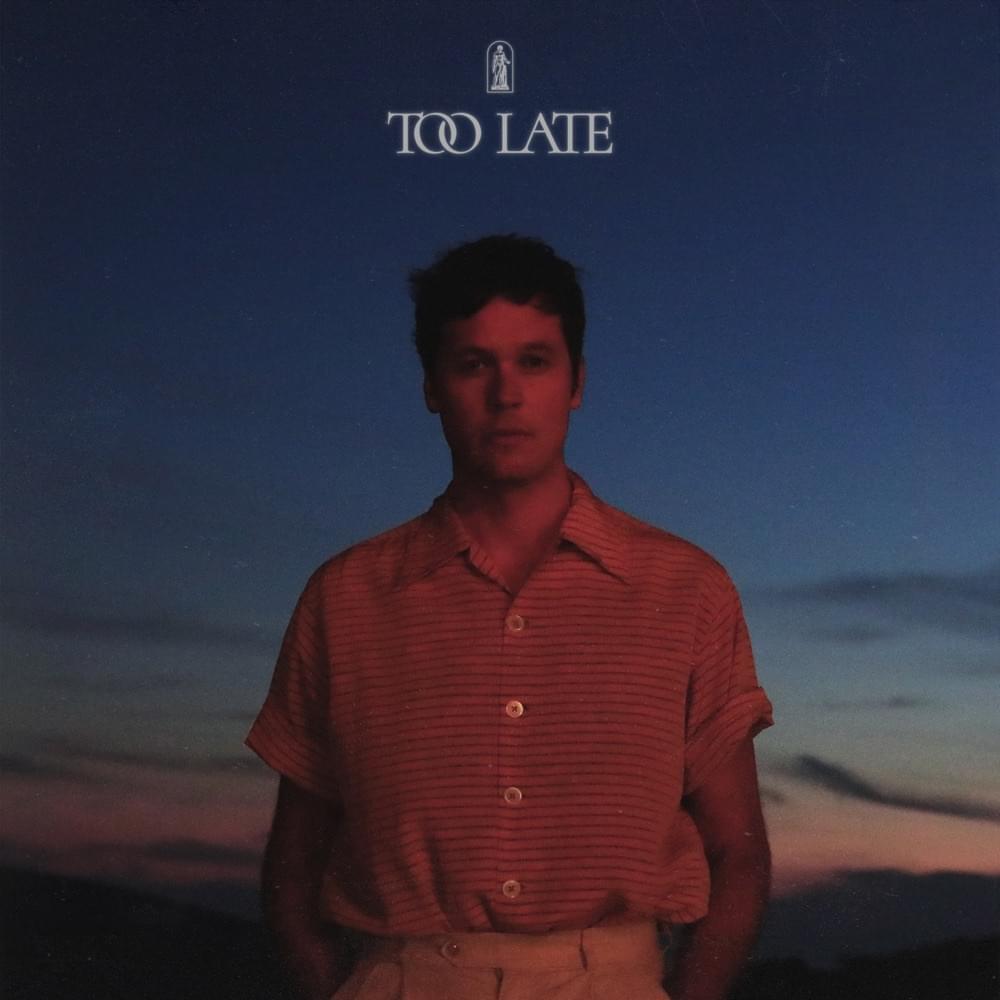
 View Artist